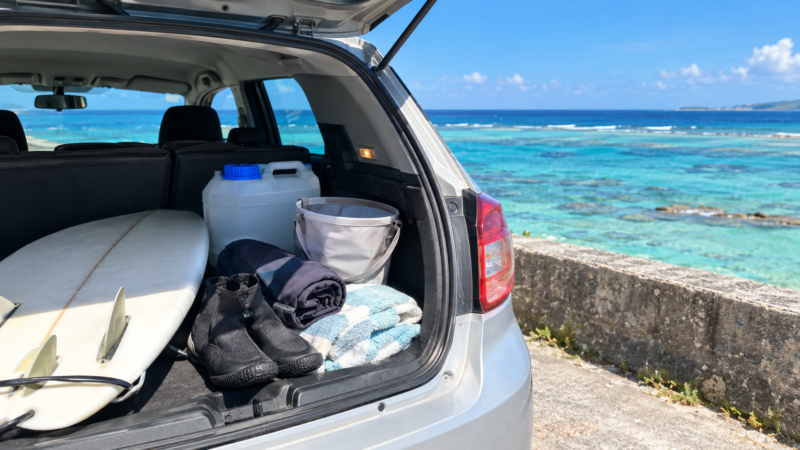
Packing for a surf trip to Okinawa is different from packing for most places. You need less wetsuit than you think and more protection than you think.
I live in Okinawa and surf here all year. Over time my bag has settled into a fixed set of things, and almost every item is there because I once went without it and regretted it. This is that list, with notes on what is essential, what is optional, and what you can simply rent or buy after you land.
This page contains affiliate links. Buying through them supports this blog at no extra cost to you.
Amazon Japan delivers within Okinawa, and its pages can be switched to English.
The Checklist
Protect Your Feet and Skin
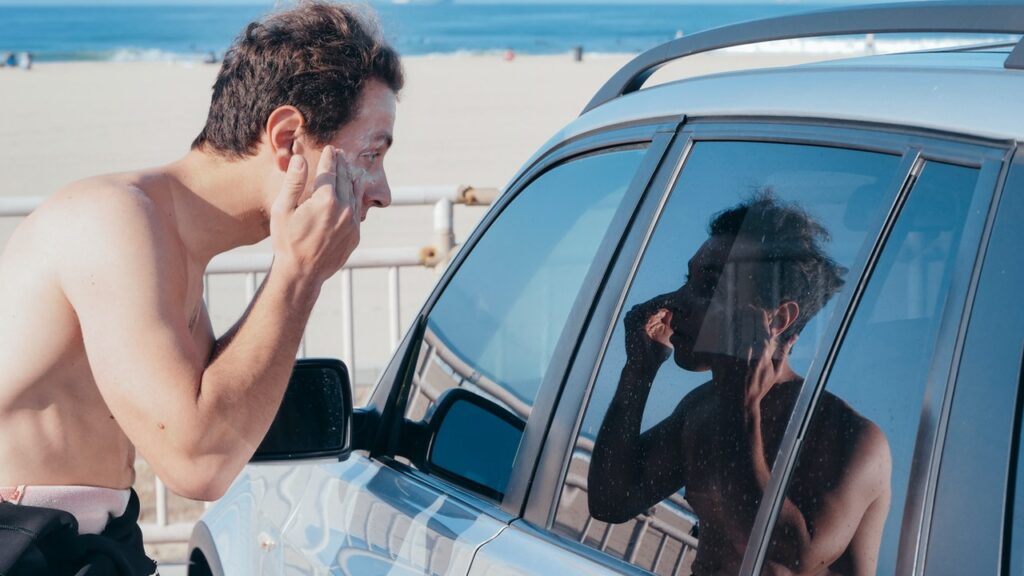
In Okinawa, the reef and the things drifting in the water cause far more trouble than the cold. This is where to spend your money first.
Reef booties
Almost every surf spot here breaks over coral reef. If you are a beginner, reef booties are close to essential, because you will be standing and falling on the reef much more often than an experienced surfer. At spots with sharp, jagged reef I wear them myself.
- Choose a thin sole of about 2 to 3 mm, so you can still feel the board.
- A snug fit matters more than the brand. Loose booties fill with water and come off.
- Cheap marine shoes work for a short trip. Surf-specific booties are better if you will keep using them.
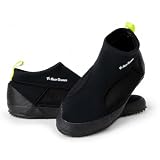
Reef Tourer marine shoes with toe guard (Amazon Japan)

Long-sleeve rashguard
A rashguard does three jobs here. It blocks the sun, it takes the edge off a reef scrape, and it keeps jellyfish and chinkui off your skin. Chinkui is the local name for tiny drifting larvae that leave an itchy rash, similar to what surfers elsewhere call sea lice.
Buy one that fits tightly. A loose rashguard traps the larvae against your skin and makes the itching worse. In summer I add leggings as well.

VAXPOT long-sleeve rashguard UPF 50+ (Amazon Japan)
Jellyfish-protection sunscreen
Safe Sea is a sunscreen made to reduce jellyfish stings. I put it on my hands, feet, neck and face before every session. It is not a guarantee, but I use it all year. Many Okinawan surf shops stock it, so you can also pick it up after you arrive.

Safe Sea Jellyfish Sting Protective Sunscreen SPF 50 (Amazon Japan)
Face sunscreen that stays on
The sun in Okinawa is strong even in winter, and ordinary sunscreen washes off within one session. Use a thick, water-resistant type made for water sports on your face, ears and the back of your neck.

Brisa Marina Athlete Pro UV Cream SPF 50 (Amazon Japan)
Petroleum jelly
A small amount on the backs of your hands and other exposed areas helps against chinkui. It also stops wetsuit rash on your neck and underarms. Use it sparingly, because too much makes your board slippery.
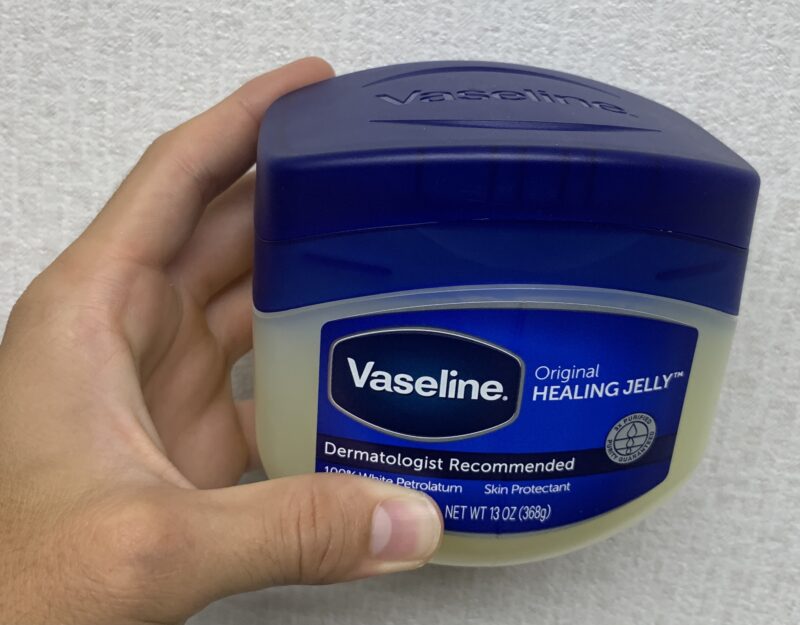
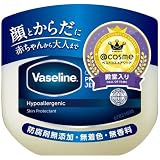
Vaseline Original pure skin jelly 200 g (Amazon Japan)
Wetsuit: Less Than You Think
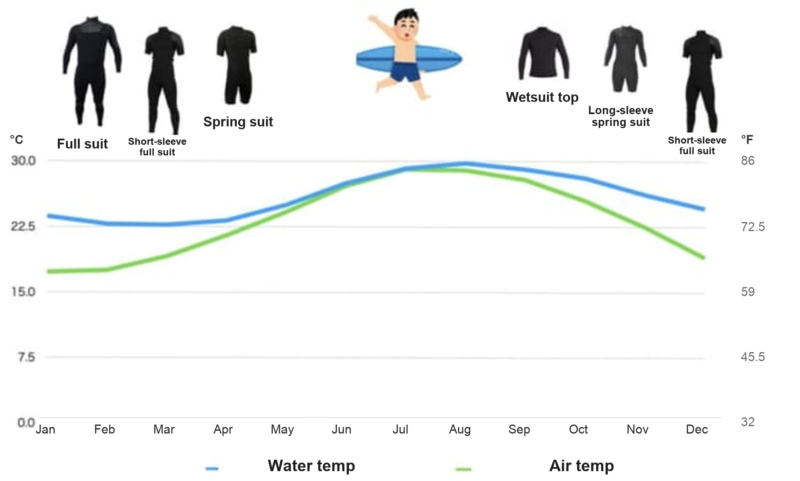
The water here stays between about 73°F and 86°F (23°C and 30°C) all year. You do not need a thick wetsuit.
- December to March: a 3mm full suit. This has been enough for me on the coldest, windiest mornings. A short-sleeve full suit is fine on warmer days.
- April, May, October and November: a spring suit or wetsuit top.
- June to September: boardshorts or a swimsuit with a rashguard.
Do not bring a 4mm or 5mm suit. You will overheat. If you are visiting for a few days in winter and do not own a 3mm suit, renting one from a surf shop is the easy answer.
For water temperatures month by month and how to pick a size, see Do You Need a Wetsuit in Okinawa?
For Your Board
Leash
Check your leash before you fly. Okinawan reefs are shallow, and swimming in over the reef after a snapped leash is not something you want to try. If the cord has nicks or the swivel is stiff, replace it.

Beach Access premium light leash, 6 to 10 ft (Amazon Japan)
Warm-water wax
Cold-water wax melts off in Okinawa. From late spring to fall you want tropical wax, and warm-water wax for the cooler months. Surf shops here sell the right wax for the season, so I suggest buying it after you arrive.
Ding repair tape
Reef and boards do not get along. A roll of repair tape seals a small ding well enough to keep surfing until you can fix it properly.

Ding Tape clear surfboard repair tape (Amazon Japan)
Fins and fin key
If you are flying with your board, pack the fins and the fin key in your carry-on bag or tape them inside the board bag. It sounds obvious. People still arrive without them.
For the Car and After Surfing
You will be driving to every session, and most spots have no shower and nowhere to change. A few small things make this much easier.
Fresh water
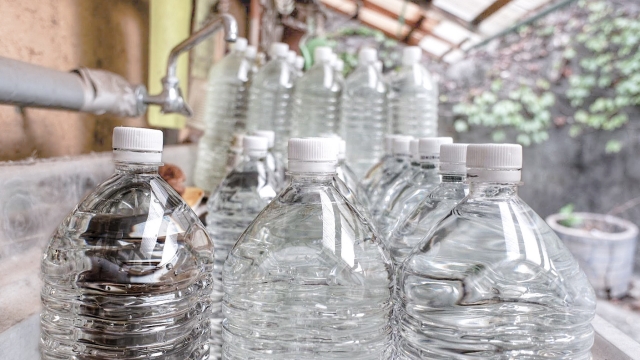
Most surf spots in Okinawa have no shower. Keep a few large bottles or a tank of fresh water in the car to rinse yourself, your wetsuit and any cuts. Supermarkets and home improvement stores sell large water containers cheaply.
Key lockbox
Rental cars come with electronic keys, and electronic keys cannot go in the sea. A small combination lockbox that hangs from the car lets you leave the key behind safely. I have tried several ways of dealing with car keys over the years, and this is the one I trust.

Sanwa Direct 4-digit combination key lockbox (Amazon Japan)
Wet bag or bucket
A waterproof bag or a folding bucket keeps a dripping wetsuit and sandy booties away from the rental car’s seats. You can also stand in it to change.

Beach Access 50L folding wet bag and bucket (Amazon Japan)
Changing poncho or large towel
There are no changing rooms at most spots, and many are next to roads and homes. A poncho or a large towel lets you change without bothering anyone.
Coins
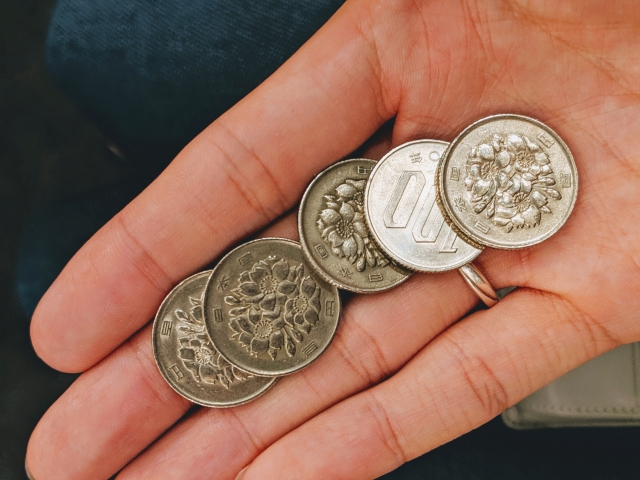
Some parking lots, such as the one at Cape Maeda, are paid. Keep some 100 yen coins in the car.
Safety Kit
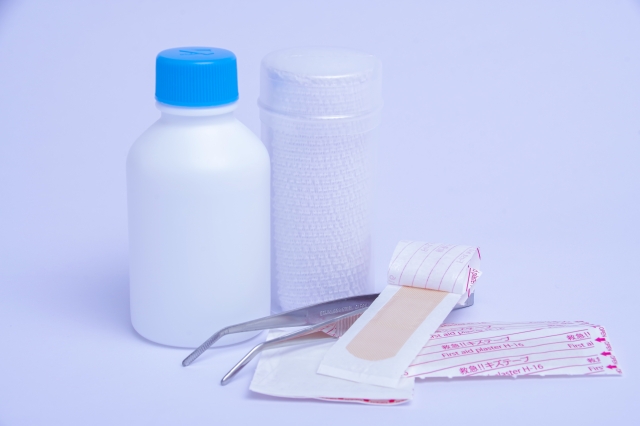
Keep these in the car. Together they cost very little.
- Antiseptic and bandages for reef cuts. Rinse a cut well with sea water first, then with fresh water, then disinfect it.
- Tweezers for bits of coral.
- Your tide information. Check the Naha tide graph before every session. Most spots only work for about two hours either side of high tide.
For what to do when something goes wrong, see Okinawa Surf Hazards: Jellyfish, Sea Lice, Reef Cuts and Currents.
Bring, Rent or Buy in Okinawa?
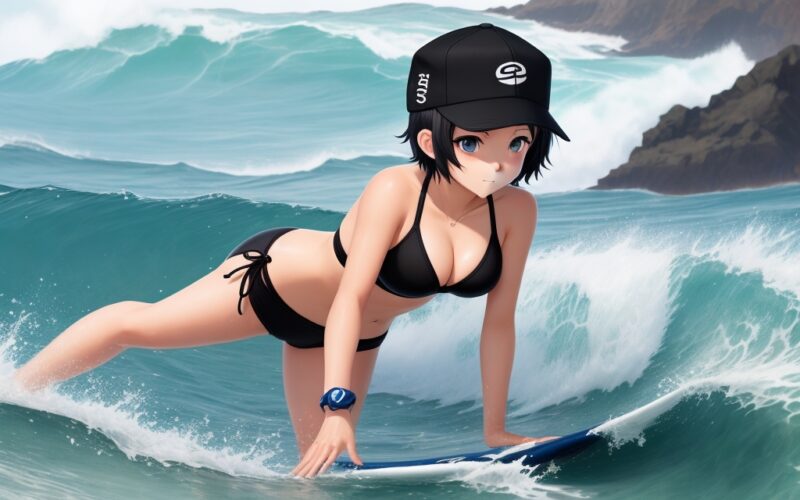
Surf shops around Sunabe Seawall in Chatan rent boards and wetsuits. Budget very roughly 10,000 yen for a full set. If you are a beginner, a lesson usually includes all the gear, which makes packing much simpler.
What to Leave at Home
- A thick wetsuit. Anything over 3mm is too warm.
- Cold-water wax. It will not last one session.
- Jewelry. Take it off before you surf.
- A tight schedule. The tide decides when you surf, not your plans.
Summary

Pack light, protect your skin and feet, and leave room in the car for water. For spots, tides and seasons, see my main guide: Surfing in Okinawa: A Local’s Guide.


コメント