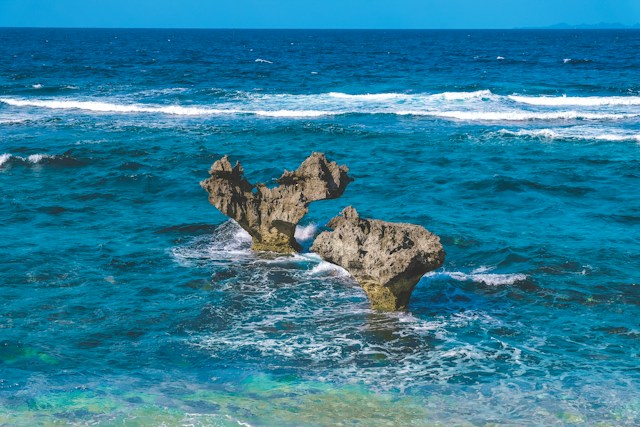
So you live in Okinawa now. Maybe you got orders here, maybe you came for work or school, or maybe you just decided to stay a while. Either way, you are on an island with warm water all year and surf spots a short drive from home. You have thought about learning to surf, or maybe you tried it once back home and want to pick it up again.
This is the place to do it. But Okinawa is not an easy place to teach yourself. The waves break over coral reef, the tide decides when you can surf, and there are local rules that nobody hands you on day one.
I am a local surfer in Okinawa. I share the lineup with a lot of people from overseas, and I started exactly where you are now: no friends who surfed, no idea what board to buy, and a lot of confidence. I got almost everything wrong. This guide is the order I wish I had done things in.
This page contains affiliate links. Buying through them supports this blog at no extra cost to you.
The Short Version
- Check the tide and the waves before every session. If you are in the US military, check the sea condition too.
- Take one lesson first. Do not buy a board yet.
- Then buy a big, soft board. Not a shortboard.
- Practice at Sunabe Seawall on small days, around high tide.
- Wear reef booties. For beginners they are close to essential.
- Learn the lineup rules before you paddle out to where other surfers are sitting.
- Surf where other surfers are around. Do not paddle out at an empty spot.
Step 1: Take a Lesson Before You Buy Anything
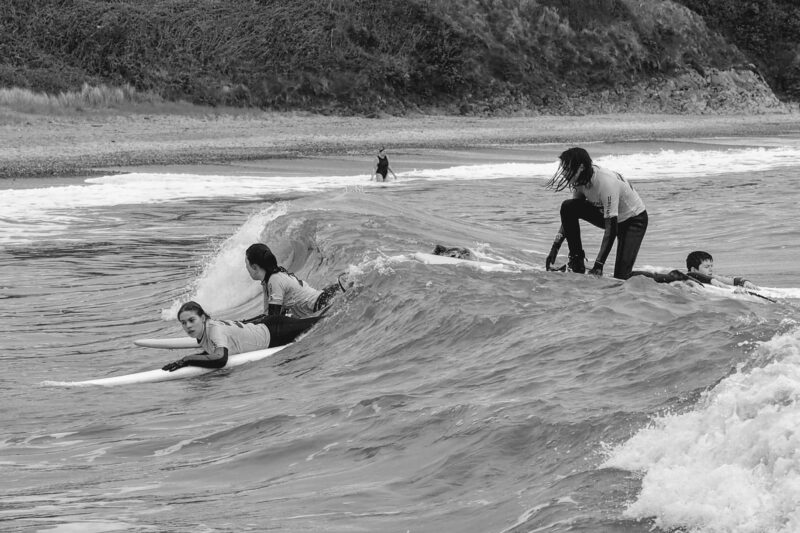
Here is how I started. I had no surfer friends, so I went online and bought a beginner shortboard set. Two friends started with me. They bought thin used shortboards because they were cheap.
The three of us paddled out at a popular, crowded spot with no idea what we were doing. We caught nothing. For months I barely stood up. Both of my friends quit within about three months.
What saved it for me was a single lesson at a local surf shop. For the first time I felt a wave pick up the board and push me. I still remember it. The shop owner then told me, kindly, that I had bought the wrong board.
What one lesson gets you
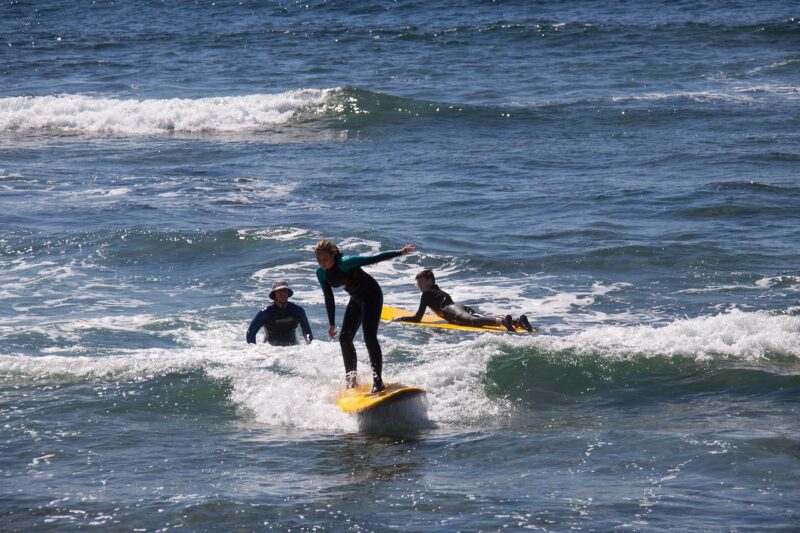
- You will probably stand up on day one. On a big, stable board with someone pushing you into the right wave, most people do.
- You learn the right habits first. Bad habits you teach yourself are hard to fix later.
- You learn the rules in the water, with someone next to you.
- You learn the local spot. Where to get in, where it gets shallow, where beginners should and should not be.
- You do not need any gear. Board, wetsuit or rashguard, and booties are normally included.
A beginner lesson costs roughly 8,000 to 10,000 yen. For the amount of local knowledge you walk away with, I think that is cheap.
Finding a lesson in English
Several schools around Sunabe and Chatan offer lessons in English, and many can be booked through English-language activity sites such as Klook, Veltra and KKday. Check the listing to confirm the language before you book.
Lesson times follow the tide, so you may be offered an early morning or late afternoon slot. That is normal here.
Step 2: Buy the Right First Board

After the lesson, buy a board. Buy one that is bigger and softer than you think you need.
Why big and soft
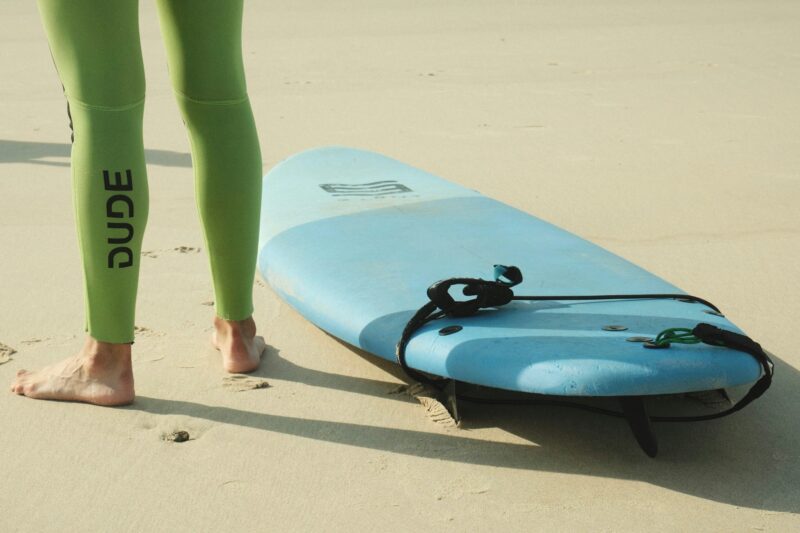
- A big board floats you. More float means you catch more waves, and catching waves is the only way to improve. A friend of mine who is a big guy took a small board out and did not catch a single wave all day.
- A soft board is safer. When it hits you or someone else, and it will, it hurts much less. It also survives being dropped on the reef and in parking lots.
- Nobody is judging you. I used to think a big foam board looked embarrassing. Then I noticed that on small days half the good surfers in the lineup are riding one.
A “beginner shortboard” is not for beginners. It is for people who can already surf a bigger board and want to move down in size. I learned that after I paid for one.
What size
For most adults, a soft board around 7 to 8 feet long is a good first board. If you are tall or heavy, go toward 8 feet. When in doubt, go bigger.

Beach Access 7’0 soft board, wax-free (Amazon Japan)


Softech Roller 6’6 soft board, for lighter riders (Amazon Japan)
New or used
- Used: a used board can cost anything from a few thousand yen to around 30,000 yen. Check for cracks, soft spots under your thumb, and whether the fins are included.
- New: new soft boards on Amazon Japan were roughly 50,000 to 70,000 yen when I checked.
Places to look:
- Local surf shops around Sunabe. You pay a little more, but you get advice, and you become a familiar face. When I once mentioned I had lost a fin, the shop that taught me handed me a spare.
- Okinawa Bookoo. This is an online classifieds site used heavily by the American community on the island. It is worth checking for used boards.
- Amazon Japan, for new soft boards.
The other things you need
- A leash, about the same length as your board. It keeps the board with you and away from other people.
- Wax, unless your soft board is a wax-free type. Okinawa needs warm-water or tropical wax.
- Reef booties. Close to essential for beginners, because you will be standing and falling on the reef a lot.
- A long-sleeve rashguard, tight-fitting.

Beach Access premium light leash, 6 to 10 ft (Amazon Japan)

Sex Wax 4-pack, warm and tropical (Amazon Japan)
For the full list, including what to keep in the car, see What to Pack for Surfing in Okinawa.
Step 3: Where and When to Practice
Where: Sunabe Seawall
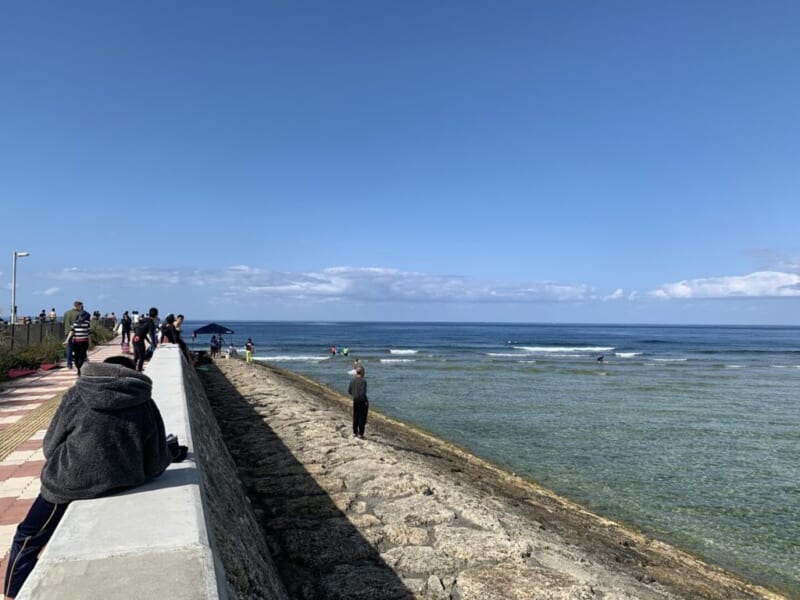
Sunabe Seawall in Chatan is the best place on the island to learn. It is in Chatan, close to American Village and several US bases, which is one reason you will hear so much English in the water there.
- Go to the corner near Baba Park. On a small day you can stand on the bottom in most of that area.
- Getting in is easy. There are steps built into the seawall, and the waves are close to shore.
- Parking is free along the seafront. On a good day it fills up, so arrive early and do not block driveways.
- Surf shops, cafes and food are all within walking distance.
It is still reef under your feet, so wear your booties.
Do not start at Komesu Coast in the south, which surfers call Suicide Cliffs. It is the most consistent spot on the island, but the reef is sharp and it gets crowded with experienced surfers.
When: around high tide
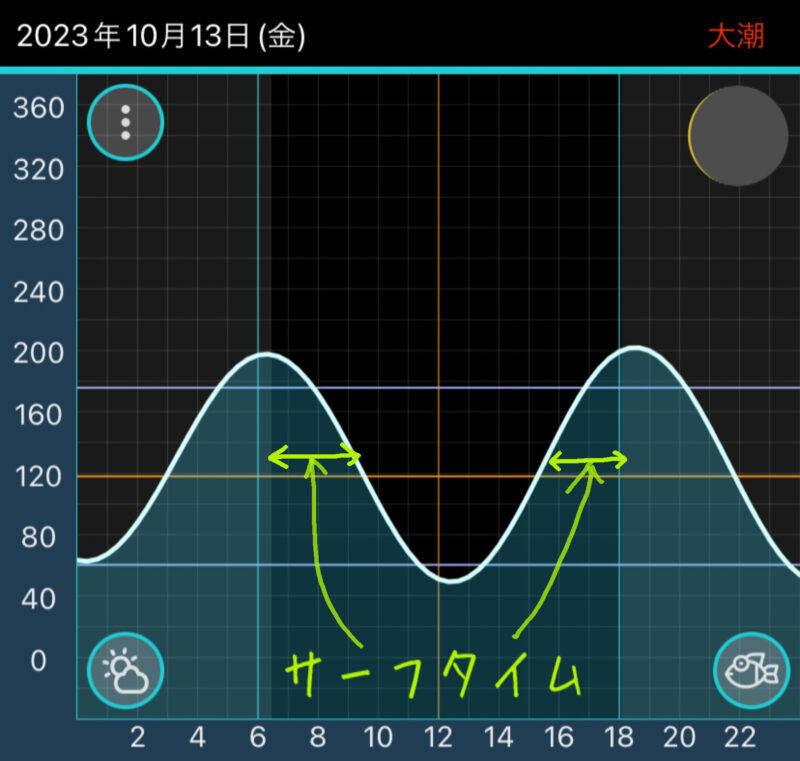
This is the rule that surprises everyone. In Okinawa you can only surf for about two hours either side of high tide. At low tide the reef is out of the water.
- Check the Naha tide graph before you leave.
- My rule of thumb is a tide height of about 120 cm or more. Some sites show that as 1.2 m, which is about 4 feet.
- The window moves every day, so you cannot surf at the same time every day. Plan around it.
What size waves
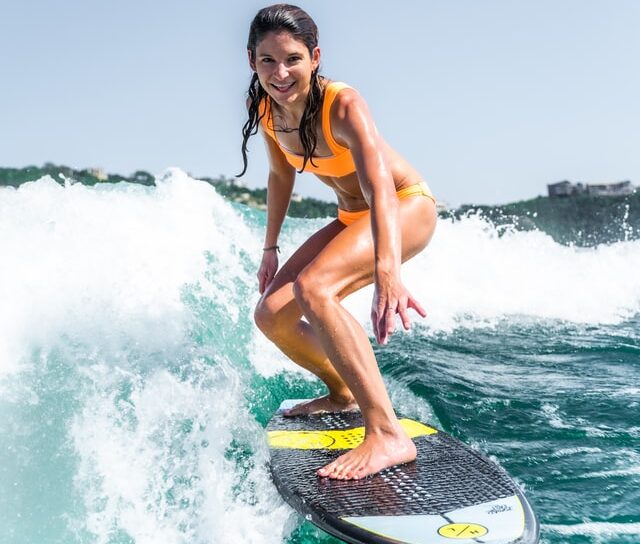
For a beginner, the right size is shin high to waist high. That is roughly 1 to 3 feet on the face.
- Start in the whitewater close to shore. Practice popping up on waves that have already broken.
- On very small days, paddle out to where the waves are breaking. Experienced surfers stay home on those days, so you get space to practice.
- When the waves are overhead, stay out. I ignored this as a beginner and it nearly ended badly.
What season
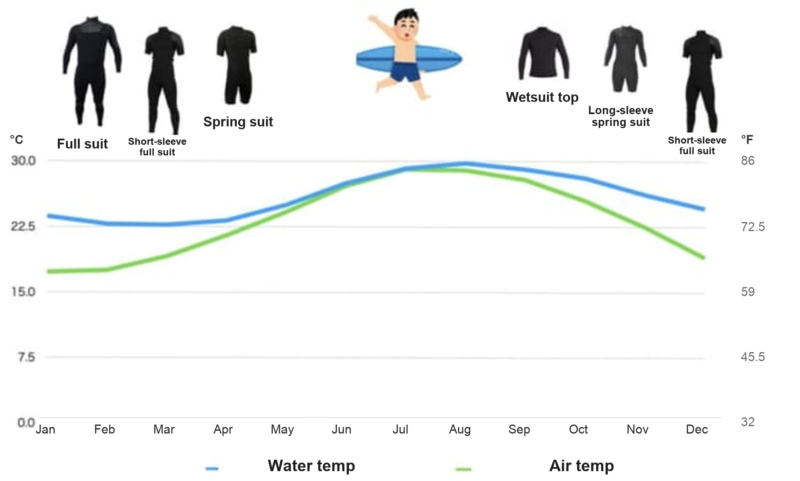
Sunabe is at its best in winter. From about May to August it is flat more often than not. That makes winter and the shoulder seasons your main learning time, which is why a 3mm full wetsuit is worth buying if you plan to stick with it. The water is still around 73°F (23°C) in the coldest months.
For sizes, prices and where to buy one, see Do You Need a Wetsuit in Okinawa?
Step 4: Learn the Rules of the Lineup
Every spot in Okinawa has its regulars. In my experience, if you follow the basic rules, you will have no problems. Most trouble comes from beginners who never learned them.
- One surfer per wave. The surfer closest to the breaking part of the wave has priority. Taking off in front of that person is called dropping in, and it is the fastest way to make enemies.
- Take turns. Reef waves break in the same place every time, so everyone gathers at one take-off spot. Wait your turn. Do not paddle around people to get deeper.
- Hold on to your board. Do not throw it away when a wave comes. There is always someone behind you.
- Stay out of the way. When you paddle back out, go around the breaking wave, not through the path of someone riding.
- Say hello. A nod and a “konnichiwa” changes how people see you.
- On land: park properly, keep the noise down early in the morning, and take your trash with you. Many spots are right next to people’s homes.
One more thing that is specific to Okinawa. During the three days of Obon in late summer, many locals stay out of the ocean out of respect for their ancestors. I suggest you do the same.
I explain each of these rules, with a diagram of who has priority, in Okinawa Surf Etiquette: Lineup Rules, Locals and Obon.
If You Are in the US Military: Check the Sea Condition
This section is for readers in the US military. If that is not you, skip ahead. I am not in the military myself, so treat this as a pointer and confirm everything with your unit safety office. Rules change, and each service has its own.
Here is what the Air Force’s 18th Wing water safety policy says. It is a memo dated July 14, 2025, addressed to all active duty Air Force personnel and Department of the Air Force civilians on Okinawa.
- Check the official sea condition before you get in the water. The memo points to Kadena.af.mil and the USAF Connect app.
- Surfers and bodyboarders must use a leash and the buddy system.
- Sea Condition Danger: water entry is prohibited for all activities, apart from a short list of designated exceptions that does not include surfing at an open beach. You are also told to stay clear of the shoreline and seawalls.
- Sea Condition Caution: hazardous conditions may exist, so use caution when entering the water.
- If a beach or coastal area is closed because of local conditions, you may not enter the water there.
The same memo gives the reason plainly. From 2000 to 2025 there were 43 water-related fatalities on Okinawa involving SOFA status personnel.
If you are a Marine, sailor or soldier, your service has its own order, and it may be stricter. Ask before you go.
What the sea condition does and does not tell you
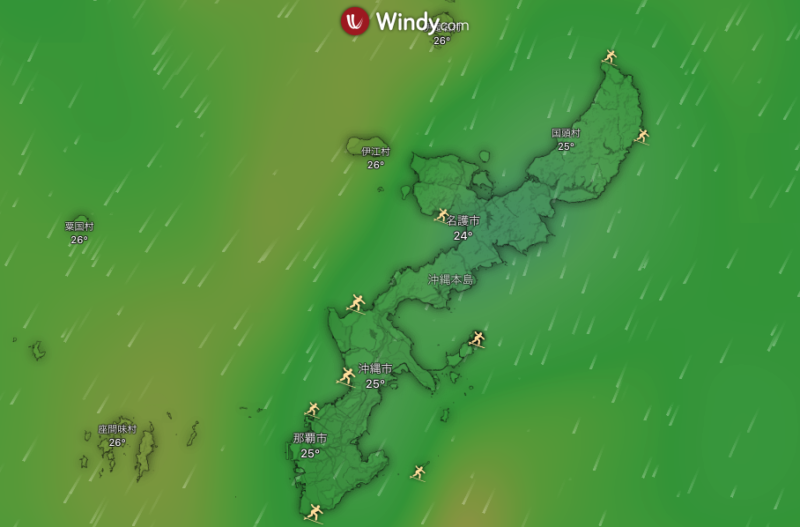
The sea condition is posted separately for the west coast and the east coast. The two can be different on the same day. For example, the west side can be Caution while the east side is Danger.
Kadena’s published criteria are based mainly on wind speed:
One thing to understand: because the levels follow the wind, All Clear does not mean the waves are small. A calm day can still have a large swell from a distant typhoon. You have to look at the surf with your own eyes every time.
This table is for beginners, and it changes as you improve. Some of the best waves arrive on windy Caution days, and experienced surfers are out in them. Danger is different. No matter how good you get, you stay out.
You can see the current sea condition on Kadena’s Local Weather page.
How Long Until You Can Actually Surf?
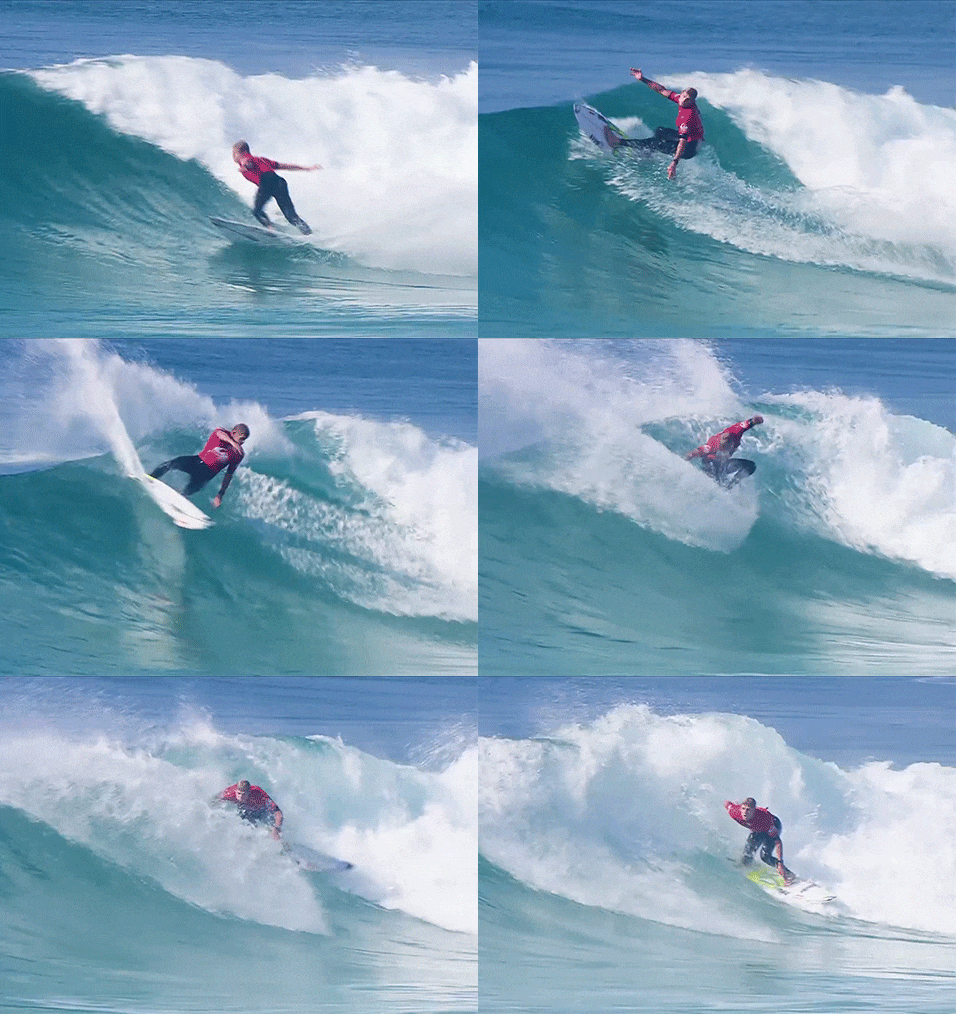
This is roughly how it went for me and for people around me.
Look at that last row again. If you are here for two or three years, that is long enough to go from never having touched a board to being a real surfer. Not many places give you that.
What It Costs to Start
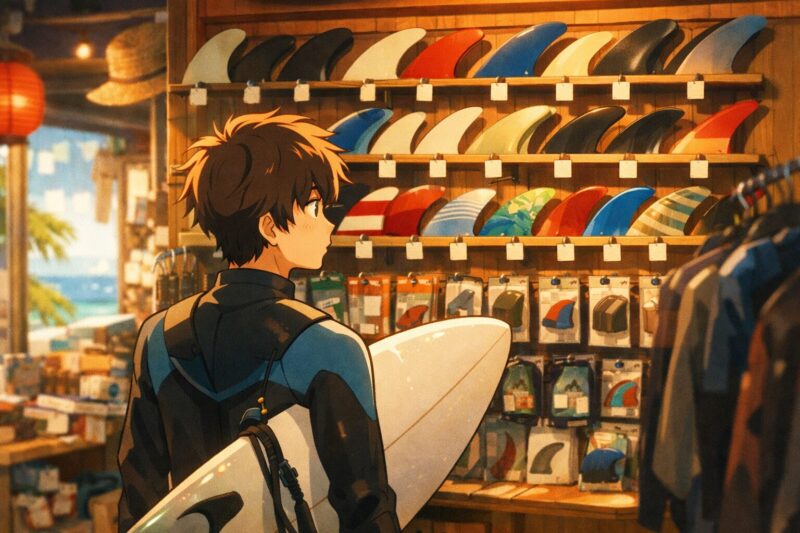
If you buy used and start in the warm months, you can be in the water with your own gear for around 50,000 yen.
Stay Safe
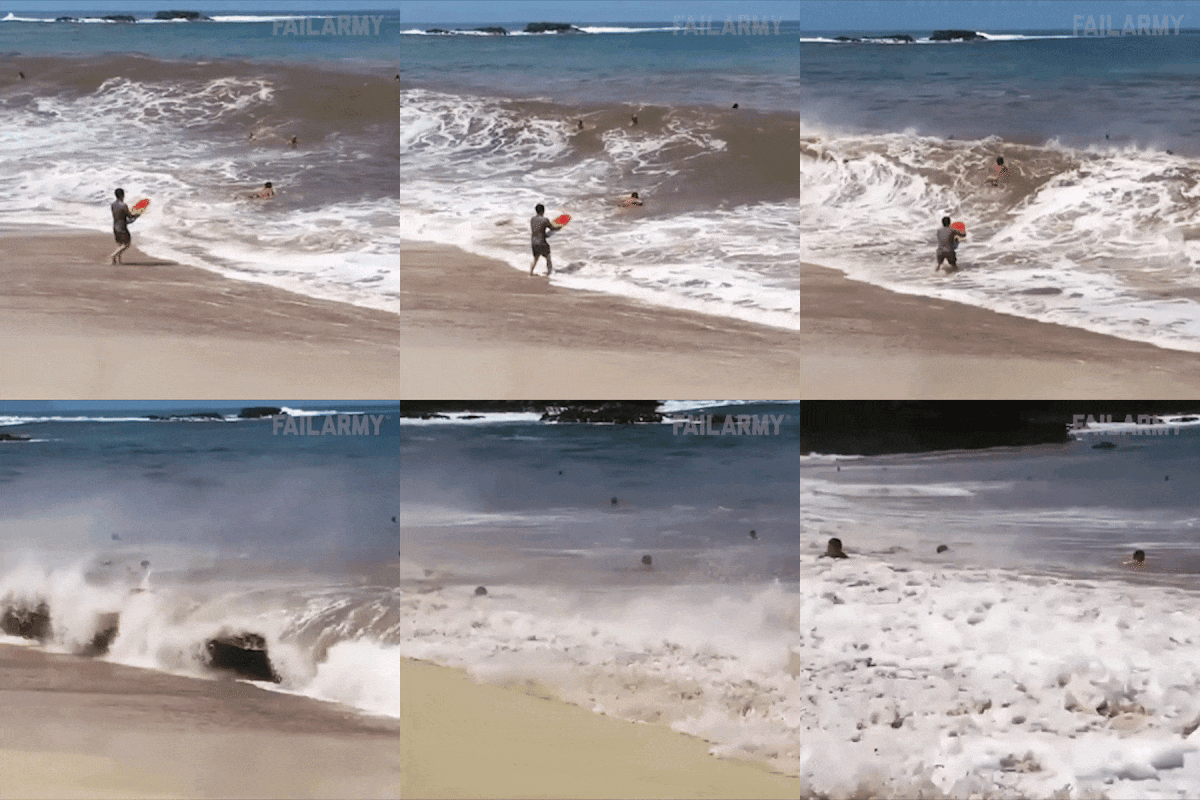
- Surf where other people are in the water. I often go on my own, but I always pick a spot where other surfers are around. As a beginner, stay away from empty spots.
- Jellyfish and reef cuts are the injuries you are most likely to get. Cover your skin and your feet.
- If you feel scared, go in. Nobody will think less of you.
I wrote a full guide to what can hurt you here and what to do about it: Okinawa Surf Hazards: Jellyfish, Sea Lice, Reef Cuts and Currents.
Summary

You are living on an island that surfers travel across the world to visit. Start the right way and you will leave with something you can do for the rest of your life.
When you are ready for more spots, read Surfing in Okinawa: A Local’s Guide to Spots, Tides and Seasons.
See you in the water.


コメント