
Okinawa looks like a postcard. Clear water, white sand, coral everywhere. It is easy to forget that the same reef that makes the waves can cut your foot, and that the warm water is home to things that sting.
I live in Okinawa and surf here all year. I have been stung by a jellyfish in January while wearing a full wetsuit. I have been covered in itchy red dots from something I could not even see. I have cut my feet on the reef more times than I can count, and I have been carried out by a current faster than I could paddle.
None of this should stop you from surfing here. It should make you prepare. This guide covers what actually hurts surfers in Okinawa, how to avoid it, and what to do when it happens anyway.
This article is based on my own experience and public information from Okinawa Prefecture. It is not medical advice. If you are stung, bitten or injured, see a doctor.
This page contains affiliate links. Buying through them supports this blog at no extra cost to you.
The Short Version
Emergency numbers in Japan: 119 for ambulance and fire, 118 for the Japan Coast Guard, 110 for police.
1. The Reef: The Injury You Are Most Likely to Get
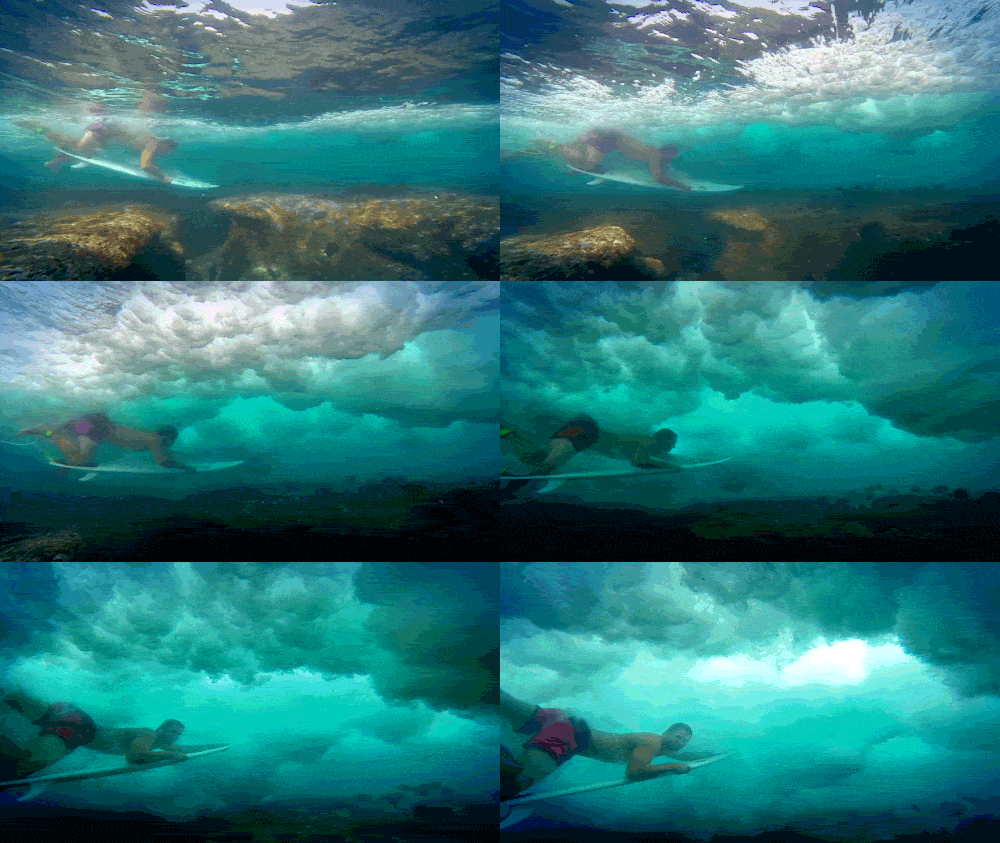
Almost every surf spot in Okinawa is a reef break. The reef is shallow, hard and in places very sharp. Beginners who walk out without protection often come back with bleeding feet.
How to avoid reef cuts
- Wear reef booties. If you are a beginner, they are close to essential at every spot, because you will be standing and falling on the reef far more often. They are the single most useful thing you can bring. At spots with jagged reef, such as Komesu Coast (known to surfers by the nickname Suicide Cliffs), I consider them close to essential.
- Surf around high tide. The usual window is about two hours either side of high tide. Less water means more reef. Check the Naha tide graph before you go. My rule of thumb is a height of about 120 cm (1.2 m, or about 4 feet) or more.
- Fall flat. Never dive head first and never jump off feet first. Spread out and land like a starfish.
- Do not walk more than you need to. Paddle as soon as the water is deep enough.
- Cover up. A rashguard and leggings, or a wetsuit, turn a deep scrape into a light one.
How to treat a reef cut
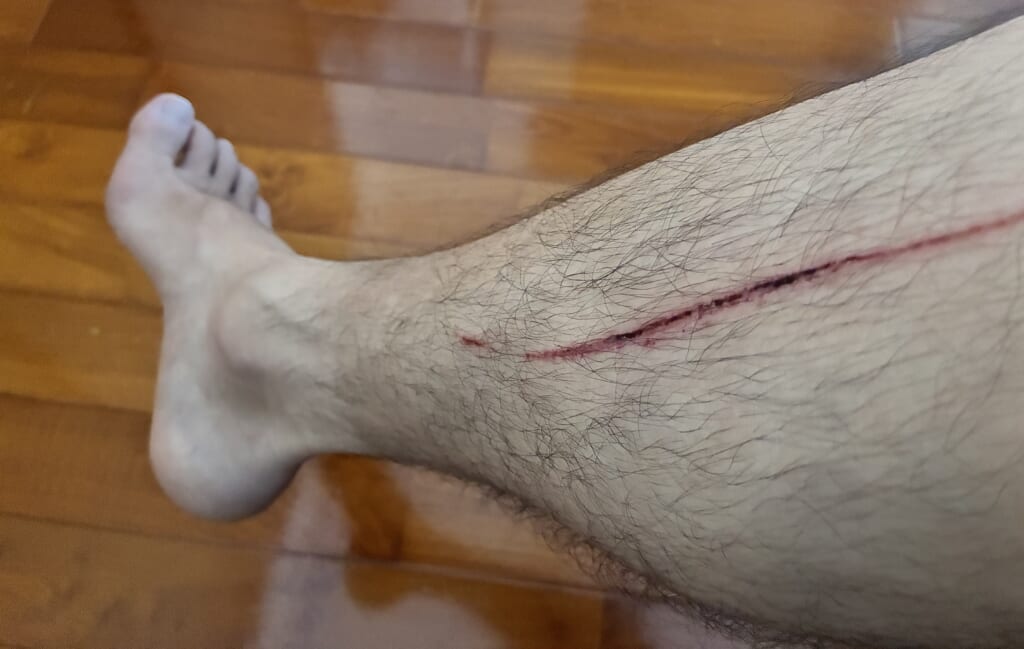
Coral cuts are known for getting infected, even small ones. A quick rinse in the sea is only the first step.
- Get out and rinse the cut thoroughly with sea water first, to flush out sand and bits of coral.
- Then rinse it again with clean fresh water.
- Wash it with soap and remove any bits of coral or sand.
- Apply antiseptic and cover it.
- Watch it over the next few days. If it becomes red, swollen, hot or starts to ooze, or if you get a fever, see a doctor.
Keep a small first aid kit and a bottle of fresh water in the car. Most surf spots here have no shower.
2. Chinkui: The Itch You Cannot See

You are sitting on your board waiting for a set. Something prickles your arm. Then your leg. Then everyone around you starts saying the same thing.
That is chinkui. It is the Okinawan name for the tiny drifting larvae of crabs and shrimp. Surfers in other parts of the world call something similar sea lice.
What it feels like
- Sharp little prickles in the water
- Small red dots on the skin afterward
- Itching that spreads and gets worse when you scratch
- A bad night of sleep if you get it badly
The next photo shows a skin reaction.

When it happens
It is usually said to be worst in the warm weeks before Obon in late summer. In my experience it does not follow the calendar. One year surfers across the island, me included, were getting hit from January.
What helps

- A tight-fitting rashguard. This is the best protection. A loose one is worse than nothing, because the larvae get trapped between the fabric and your skin.
- Jellyfish-protection sunscreen. I use one called Safe Sea, which many Okinawan surf shops sell. I cannot promise it works for everyone, but I have not been stung while wearing it.
- Petroleum jelly on exposed areas such as the backs of your hands. Go easy. Too much and your board turns into a bar of soap.
- Less body hair. Many local surfers say the larvae cling to hair. I notice I get it most where I am hairiest.
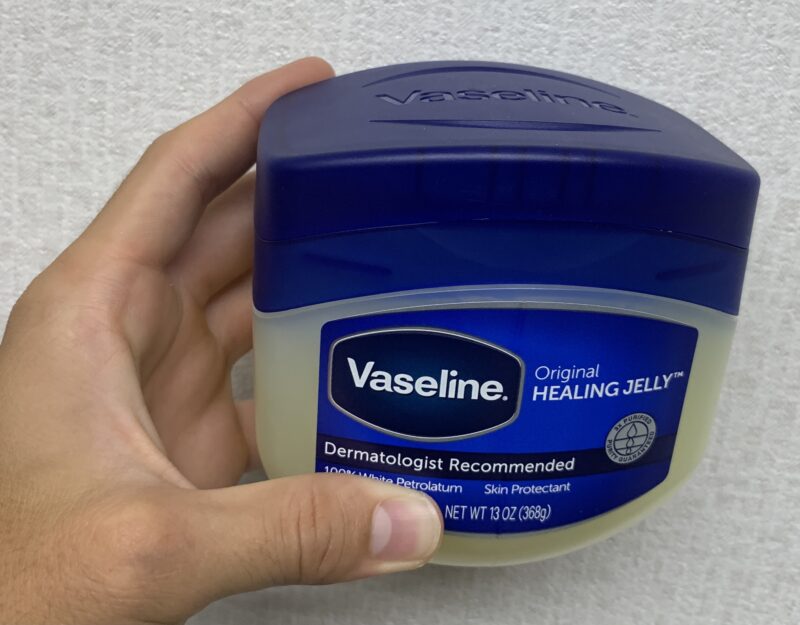
If the itching is bad, do not try to tough it out. A dermatologist can prescribe a cream that works much faster than anything over the counter.


3. Jellyfish: A Risk in Every Season

Jellyfish and their relatives cause more reported injuries in Okinawa than any other sea creature.
- In 2025, Okinawa recorded 199 reported incidents involving dangerous sea creatures. Habu jellyfish caused 81 of them.
- The prefecture issued a habu jellyfish advisory for June 1 to September 30 in 2026.
- Reports peak from July to September, partly because that is when the most people are in the water with bare skin.
Winter is not safe either
Okinawan water stays warm enough for jellyfish all year. I learned this in January. I felt a sharp electric jolt on my arm, assumed it was chinkui again, and kept surfing. When I got out, my hands and feet were covered in welts. I went to a dermatologist, who said the long tentacle-shaped marks meant jellyfish.
I was wearing a full wetsuit. Only my hands and feet were exposed, and those were exactly the parts that got hit.
The next photo shows a skin reaction.

The two to know

1. Habu jellyfish. A venomous box jellyfish. It is nearly transparent and hard to see. Stings are intensely painful and can be dangerous.
2. Portuguese man o’ war. It floats on the surface with a blue, balloon-like body and long tentacles. It arrives in groups when strong wind or a typhoon pushes it toward shore, and it washes up on beaches afterward. Do not touch it, even when it looks dead.
How to avoid stings
- Cover your skin. Long sleeves and leggings, or a wetsuit.
- Use jellyfish-protection sunscreen on what is still exposed, such as hands, feet, neck and face.
- Check the wind. When the wind blows from the sea to the land, jellyfish are pushed into the shallows. Choose a coast where the wind is offshore.

What to do if you are stung

- Get out of the water calmly. If you cannot move well or feel panicked, shout for help.
- Do not rub the sting. Do not rinse it with fresh water.
- If you know it was a habu jellyfish: pour vinegar generously over the area, then gently lift off the tentacles.
- If it was a Portuguese man o’ war, or you do not know: do not use vinegar. Okinawa Prefecture advises vinegar only for habu jellyfish. Rinse with sea water and gently remove the tentacles, using gloves or a cloth and not bare fingers.
- Cool the area with ice or cold water.
- See a doctor the same day.
- If the person has trouble breathing or collapses, call 119 immediately and start CPR if needed.
I once tried to manage a sting with a tube of itch cream from the drugstore. I used the whole tube in a day and still could not sleep. The steroid cream from the dermatologist worked faster and cost less.

What I use: Safe Sea lotion
Safe Sea is a sunscreen made to reduce jellyfish stings. It is the one I put on my hands, feet, neck and face before every session, and many surf shops in Okinawa stock it. It is waterproof and SPF 50, so it also does the job of a normal sunscreen on your body. On my face, ears and the back of my neck I add a thicker sunscreen made for water sports on top.
It is not a guarantee, and it does not replace covering your skin. But since I started using it I have not been stung on a day I remembered to apply it. The two times I was stung, I had skipped it.

Safe Sea Jellyfish Sting Protective Sunscreen SPF 50 (Amazon Japan)

4. Currents: The One That Scares Me Most
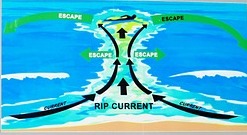
A current does not hurt. That is what makes it dangerous. You do not notice until you look up and the shore is a long way off.
On a reef, water that comes in over the shallow parts flows back out through the deeper channels. Surfers use those channels to paddle out. Beginners drift into them without realizing.
It happened to me. On a day that was too big for me, I got out the back surprisingly easily. A moment later I was further out than every other surfer, and the swells looked many times bigger than they had from the beach. I tried paddling sideways and went nowhere.
Before you paddle out
- Watch for at least ten minutes. Where are waves breaking cleanly? Where are they not breaking? The flat-looking gaps are often the current.
- Watch the other surfers. See where they paddle out and where they sit. If they keep paddling just to stay in place, the current runs the opposite way.
- Ask. At a new spot, ask a surf shop or another surfer where the current runs.
- Be honest about the size. Currents get stronger as the swell gets bigger. If you are a beginner, stay out when the waves are overhead.
If you are caught

- Stay calm and stay on your board. It floats. You will not sink.
- Look around. Where did you drift from? Where are waves breaking all the way to shore? That is your way in.
- Call for help. Wave an arm and shout. Embarrassment is better than drowning.
- Do not burn all your energy fighting straight against the flow.
Typhoon swell is when this gets serious. During Okinawan Obon in 2021 I surfed Suicide Cliffs with a typhoon approaching. The current on the spring tide was so fast that I drifted a long way every time I stopped paddling. I went in after less than an hour. If you feel scared, go in.
Currents are at their strongest on a typhoon swell. I cover those days in Typhoon Swell in Okinawa: When to Surf It and When to Stay Out.
5. The Rare but Serious Ones

You are unlikely to meet these while surfing, but you should know they exist.
Stonefish
Stonefish sit on shallow reef and look exactly like a rock. The spines on the back carry strong venom and are said to be able to go through a thin rubber sole. The pain is severe.
- Shuffle and step carefully when you walk on reef. Better still, paddle.
- Booties help, though they are not a guarantee.
- If you are stung, get to a hospital. Okinawa’s public guidance for venomous fish stings is to soak the area in hot water, around 104 to 113°F (40 to 45°C), taking care not to burn the skin.
Sea snakes
Sea snakes have very strong venom, but they are not aggressive. I see one almost every time I snorkel, and they just go about their business.
- Do not jump or dive into the water from rocks. They rest near the shoreline, and surprising one is how bites happen.
- Never touch or chase one.
- If bitten, call 119.
Sharks
Shark attacks on surfers are extremely rare in Japan. If you want to lower the odds further, avoid surfing at dawn and dusk in murky water, and leave shiny jewelry on land.
6. Other Surfers

I am only half joking when I say the most dangerous animal in the lineup is a human. Collisions are common at crowded spots, and a board to the head is as serious as anything on this list.
- Do not drop in. The surfer closest to the peak has priority.
- Never let go of your board when someone is behind you.
- Okinawan reef waves break in the same place every time, so everyone gathers at one take-off spot. Take turns.
- If a peak is packed, surf a quieter one.
What to Pack for Protection
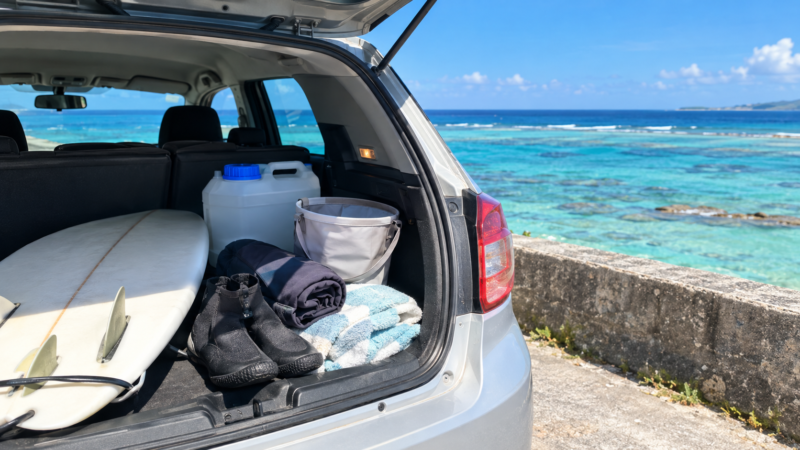
- Reef booties. Close to essential for beginners.
- Tight-fitting long-sleeve rashguard, plus leggings in summer
- Jellyfish-protection sunscreen such as Safe Sea
- Water-resistant face sunscreen. The sun in Okinawa is strong even in winter, and sunburn is the one injury every surfer gets.
- Petroleum jelly
- Fresh water for rinsing cuts, after you have washed them in the sea
- First aid kit: antiseptic, bandages, tweezers, tape
- A leash in good condition. Check it before any big swell.


Summary

Okinawa’s sea is not out to get you. Everything on this list was here long before surfers were. Cover your skin, protect your feet, know your limits, and you can enjoy some of the most beautiful water you will ever surf.
For spots, tides and seasons, see my main guide: Surfing in Okinawa: A Local’s Guide.

コメント