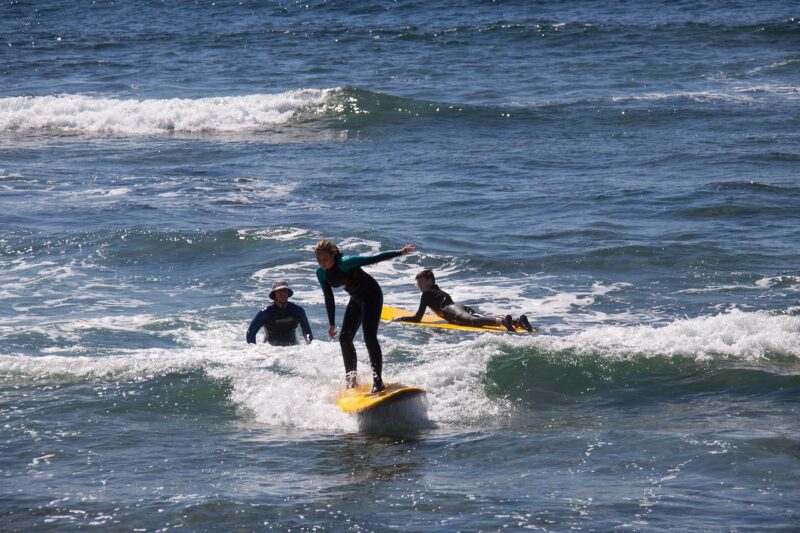
I taught myself to surf in Okinawa, and for months I got nowhere. I had bought a shortboard online, paddled out at a crowded spot, and caught nothing.
Then I took one lesson at a local surf shop. For the first time I felt a wave pick up the board and push me. I still remember thinking: whoa, this is fast.
If you are new to surfing and you are on this island, a lesson is the best money you will spend. This guide covers what a lesson here looks like, what it costs, how to book one in English, and how to choose a school.
This page contains affiliate links. Buying or booking through them supports this blog at no extra cost to you.
Surf Lessons in Okinawa at a Glance
Why Take a Lesson Here
Okinawa is a hard place to teach yourself. The waves break over coral reef, the tide decides when you can surf at all, and there are rules in the water that nobody explains.
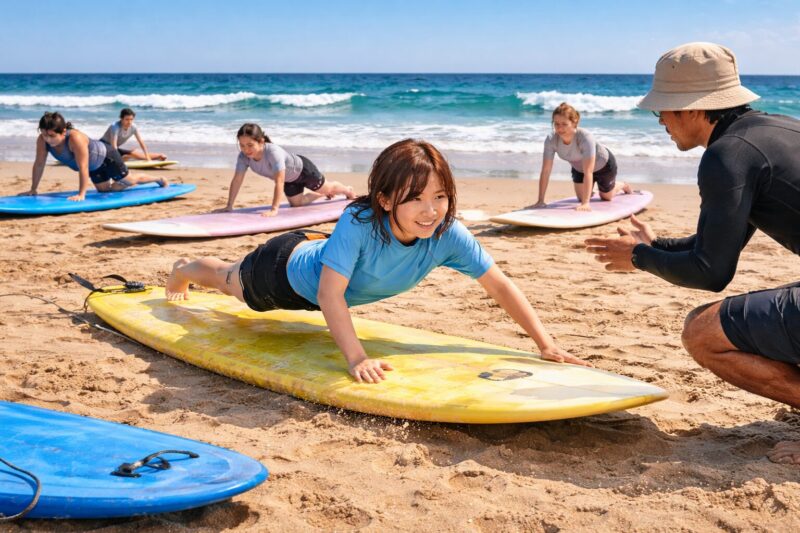
What one lesson gets you
- You will probably stand up on day one. On a big, stable board, with someone pushing you into the right wave, most people do.
- You learn the right habits first. Bad habits you teach yourself are hard to fix later.
- You learn the rules in the water, with someone next to you.
- You learn the spot. Where to get in, where it gets shallow, and where beginners should and should not be.
- You do not need any gear. The board and wetsuit are part of the lesson.
For around 10,000 yen, that much local knowledge is a bargain. Nobody I know has ever regretted taking a lesson.
What a Lesson Looks Like
The schools below describe their lessons in much the same way.
The whole thing takes about two and a half hours.
- You do not have to be a strong swimmer. One of the schools below says its course is held in shallow water, so non-swimmers can join, and it has life jackets if you ask for one.
- The instructor stays with you. You are not sent out alone.
- You will be tired. Paddling uses muscles you did not know you had.
What It Costs
- Expect to pay roughly 8,000 to 12,000 yen a person. The two lessons I list below were $76 and $79 when I checked.
- The board, the wetsuit and the instructor are included. Many schools add photos, a shower and a place to change.
- You bring swimwear, a towel and sunscreen.
- Kids are welcome. Both schools below take children from age 5.
Lessons You Can Book in English
I picked these two on GetYourGuide for three things: instructors who teach in English, strong reviews, and free cancellation.
- Both offered free cancellation up to 24 hours before, at the time of writing.
- Lessons can be called off for weather or sea conditions. The second school says you can then reschedule or get a full refund. Check the policy on the listing you choose.
- Read the “Not suitable for” list before you book. Each school has its own age limits and health conditions. If you have a medical condition, ask the school and your doctor first.
You can also see every surf lesson in Okinawa on GetYourGuide.
How to Choose a School
- Choose one near where you will keep surfing. For most people that means Chatan and Sunabe Seawall. The instructor teaches you that exact spot.
- Read the reviews. Look for comments about how patient the instructors are with beginners.
- Match the lesson to your level. A group of friends does better at a school with several instructors. If you already surf, look for an advanced course.
- You do not have to buy a board that day. If a shop pushes an expensive board on your first visit, it is fine to say you will think about it.
There is one more reason to stay local. The shop that taught me still says hello every time I see them. When I once mentioned I had lost a fin, they told me to come by and pick up a spare.
When to Book
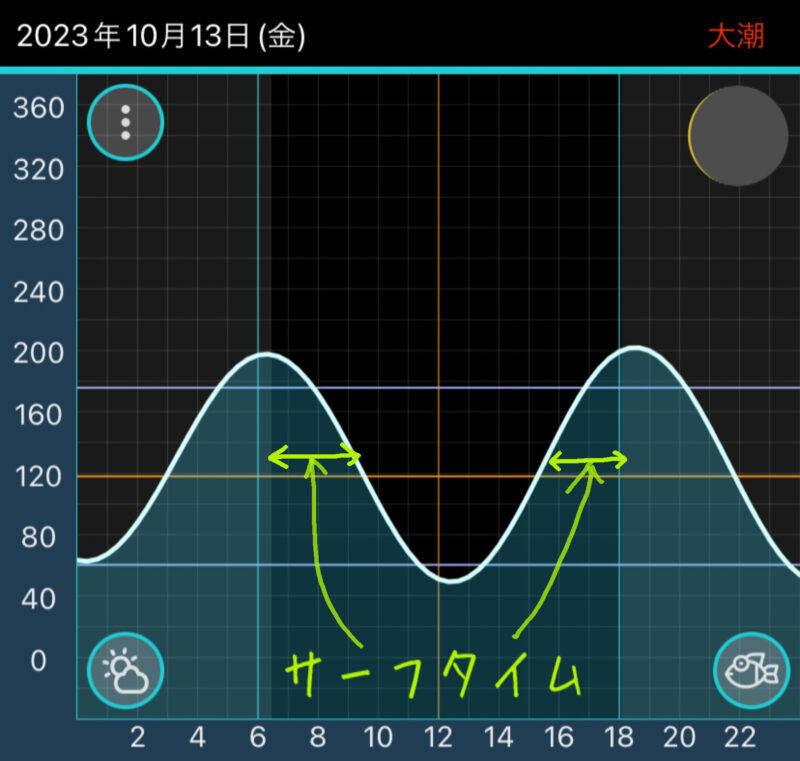
- Lesson times follow the tide. You can only surf here for about two hours either side of high tide, so you may be offered an early morning or late afternoon slot. That is normal.
- Small days are good days. For a first lesson you want gentle whitewater, not a great surf day.
- You can learn in any season. The water never gets truly cold, and the school gives you a wetsuit.
- From July to October, watch for typhoons. Lessons are canceled when the sea gets rough.
If you are in the US military, check the sea condition before you go. I explain how that works in How to Start Surfing in Okinawa.
What to Bring
- Swimwear, worn under your clothes.
- A towel.
- Sunscreen. Put it on before you leave the house, and use one that stays on in the water.
- Drinking water, and something to eat afterward.

Brisa Marina Athlete Pro UV Cream SPF 50 (Amazon Japan)

If the school has no changing room at the beach, a changing poncho makes life easier.
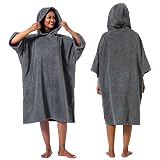
Winthome microfiber changing poncho (Amazon Japan)
Ask the school whether reef booties are included. The bottom here is reef, and for beginners they are close to essential.
After the Lesson
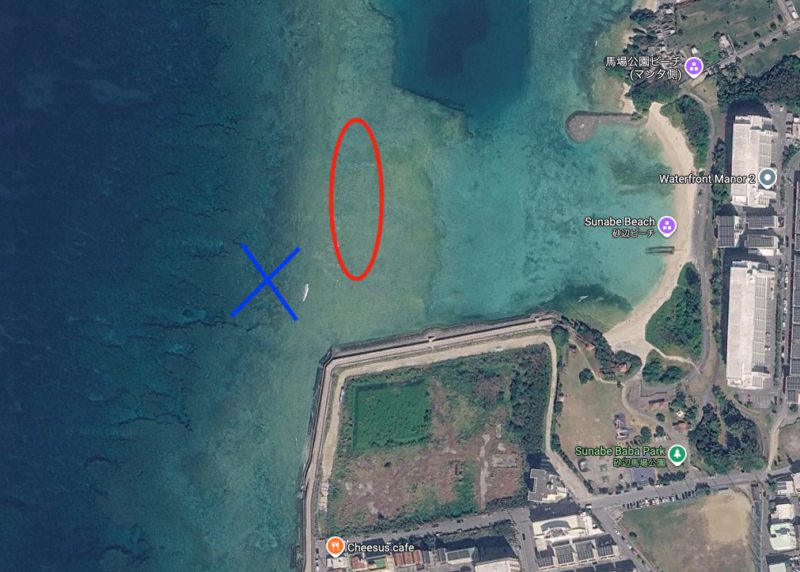
- Rent before you buy. Surf shops around the seawall rent boards, and one of the schools above offers rentals after the lesson for an extra fee. Prices vary, so ask.
- Then buy a big, soft board. Not a shortboard. I explain what to look for in How to Start Surfing in Okinawa.
- Practice in the corner at Sunabe. It is the gentlest part of the wall. The details are in my Sunabe Seawall Surf Guide.
- Learn the rules of the lineup. I wrote them out in Okinawa Surf Etiquette.
How long does it take to get good?
This is roughly how it goes for most people, including me.
If you already surf
A lesson still helps. The instructor knows where the peaks are, where the reef gets shallow and how the current runs. Some schools film your waves so you can see what you are doing wrong. For 10,000 yen or so, you get coaching from someone who knows that reef.
Summary
Without that first lesson, I would have quit. It is the reason I am still surfing. Book one, get pushed into your first wave, and see what you think.
For the next steps, see How to Start Surfing in Okinawa and What to Pack for Surfing in Okinawa.

コメント