Okinawa looks like a place where you surf in boardshorts all year. For about half the year, that is true. For the other half you will want a wetsuit, and that half happens to be when the waves are best.
I live in Okinawa and surf here in every season. This guide gives you the water temperature for each month, what I wear, and which single wetsuit covers the whole year if you only want to buy one.
This page contains affiliate links. Buying through them supports this blog at no extra cost to you. The links go to Amazon Japan, and its pages can be switched to English.
The Short Version
- Yes, you need a wetsuit from about late November to April.
- A 3mm full suit is enough. A 3/2 from back home is the same thing. Anything thicker is too warm.
- The water never gets truly cold. The coldest month averages about 72°F (22°C).
- The wind is what gets you. In winter the air is colder than the water, and most days are windy.
- From June to September, skip the wetsuit. Wear a long-sleeve rashguard for the sun.
- If you buy one suit, make it the 3mm full suit. It covers the whole cool season.
Okinawa Water Temperature by Month
These are long-term averages. Any single day can be a few degrees either side.
Water is the Japan Meteorological Agency’s 1991 to 2020 average sea surface temperature for the area just south of Okinawa’s main island. Air is the agency’s average daily low and high for Naha over the same years.
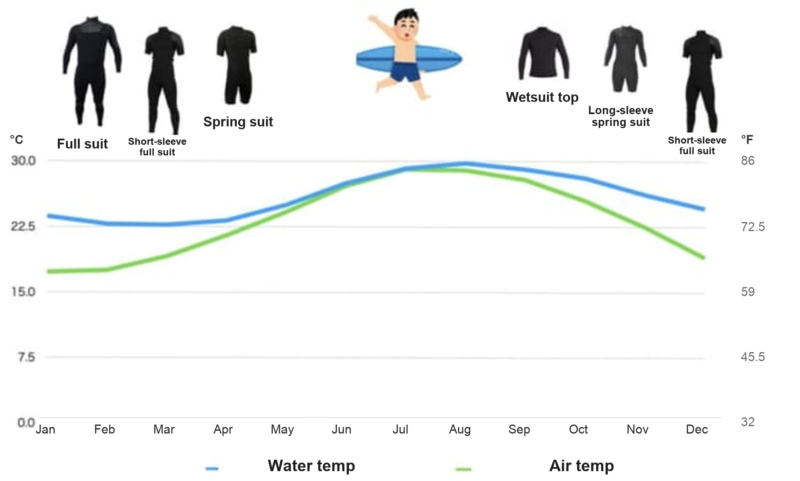
Two things stand out.
- The water runs about a month behind the air. The coldest water is in February and March, not January. And it stays warm well into November, after the air has started to cool.
- Fall has been running warm. In the same data, the last five years averaged almost 2°F (about 1°C) above the long-term figure from September to November.
How that compares with back home
If you have surfed in the US, this puts the numbers in context.
US figures are NOAA’s average coastal water temperatures.
In other words, the coldest water of the year in Okinawa is warmer than a normal August in Southern California. And it is still about 5°F cooler than Hawaii in winter, which is why Okinawa is not quite a boardshorts-all-year island.
Why Winter Feels Colder Than the Numbers
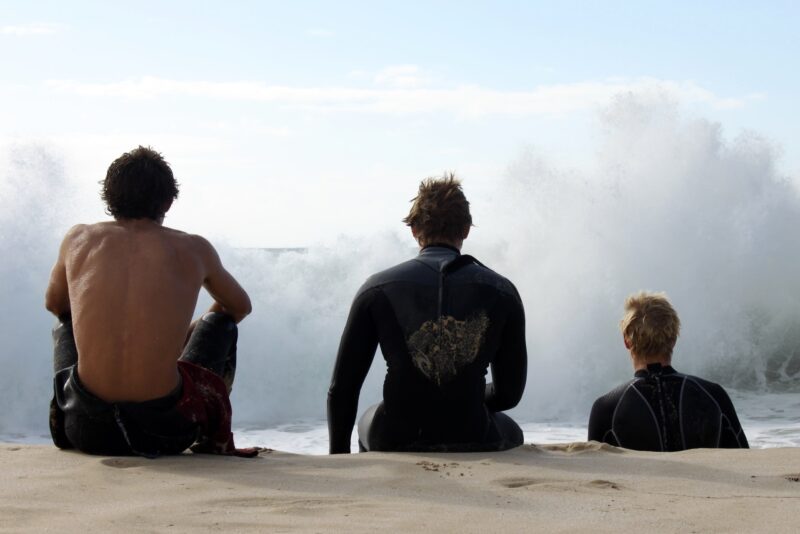
Water at 72°F does not sound like wetsuit weather. Three things change that.
- The air is colder than the water. An average winter day runs from 59°F to 68°F (15 to 20°C). On the coldest mornings it drops to the low 50s (around 11 to 12°C).
- It is windy. Naha averages about 12 mph of wind all year, and in winter it blows from the north.
- You are wet and sitting still. Most of a surf session is waiting on your board between sets, with that wind on wet skin.
Visitors from colder places land here in January in T-shirts because the forecast looked warm. By the evening they are usually shivering.
On almost any winter day you will also see people surfing in nothing but boardshorts. Do not use them as your guide, at least not at first. Copy them on your first winter day and there is a good chance you drive home shaking.
That said, cold is personal. If you grew up surfing cold water, you may be comfortable in less than I am. Plenty of Americans here surf through winter in boardshorts or just a wetsuit top. Start with a full suit for your first winter and adjust from there.
My own rule is simple. I put a wetsuit on when the water drops below about 77°F (25°C). The air can fool you. A warm, sunny day can still come with cool water.
Changing is the coldest part
Most spots have no changing room, so you peel off a wet suit in a windy parking lot. Two things help.
- A changing poncho. It blocks the wind and lets you change without bothering the neighbors.
- Warm water. In winter, fill your rinse bottles with warm water before you leave home. It makes rinsing off a lot less painful.
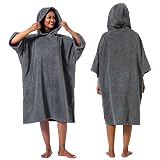
Winthome microfiber changing poncho (Amazon Japan)

One safety note. If you are shivering and cannot stop, get out, dry off and warm up. No wave is worth it.
What to Wear, Season by Season
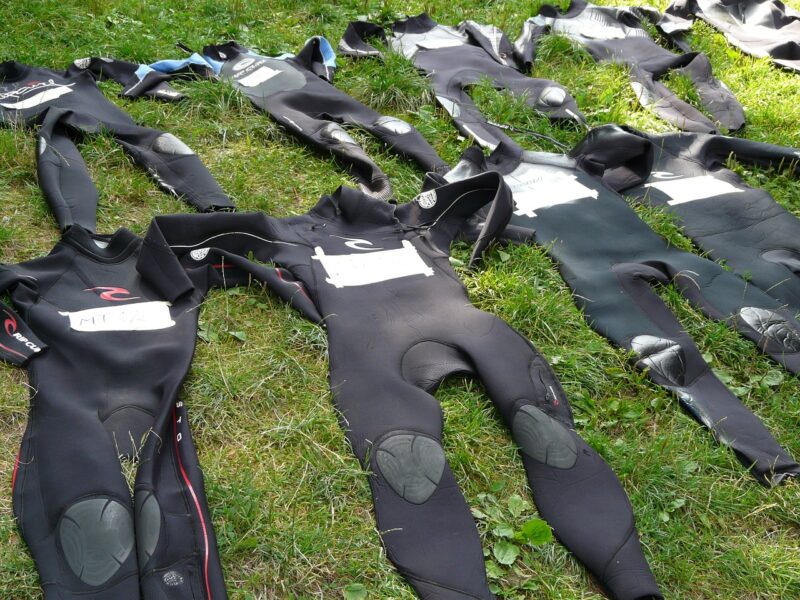
Late November to April: 3mm full suit
A 3mm full suit covers your whole body, with long arms and long legs. It has been enough for me on the coldest, windiest dawn sessions of the year. I say “that is cold” out loud once, and then I am fine.
- On sunny afternoons in this period, a wetsuit top over boardshorts can be enough.
- If you get cold easily, look for a suit with smooth rubber panels on the chest and back. They block the wind better than fabric-faced neoprene.
May, and October to mid November: something light
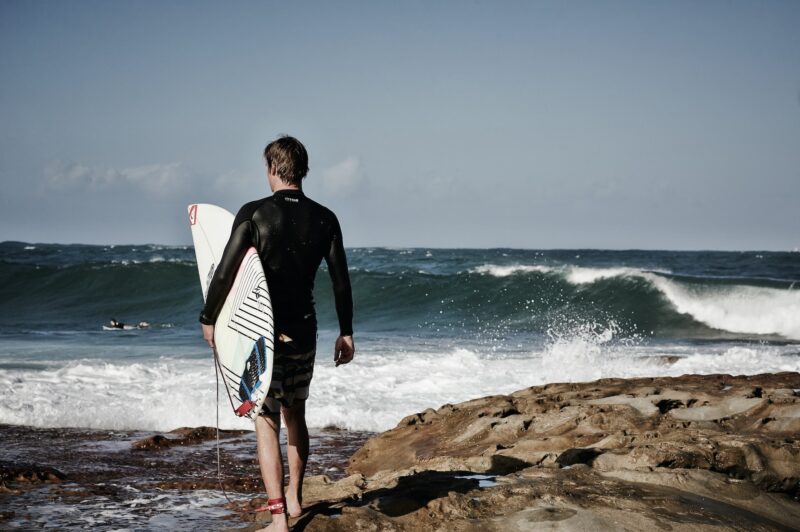
These are the in-between weeks. The water is warm, but mornings and windy days can feel cool.
- A wetsuit top. This is a thin neoprene jacket, 1 to 2 mm, worn over boardshorts or a swimsuit. I keep one in the car and put it on if the water feels cool.
- A spring suit. One piece with short arms and short legs.
June to September: no wetsuit
The water is 81 to 85°F (27 to 29°C). A wetsuit would cook you.
The question in summer is the sun, not the cold. I wear a long-sleeve rashguard even in the middle of summer. I once surfed for three hours in just boardshorts. The skin on my back peeled off, and I slept face down for a week.
A tight long-sleeve rashguard also helps against jellyfish and reef scrapes. I cover those in Okinawa Surf Hazards.
The One Wetsuit to Buy: A 3mm Full Suit
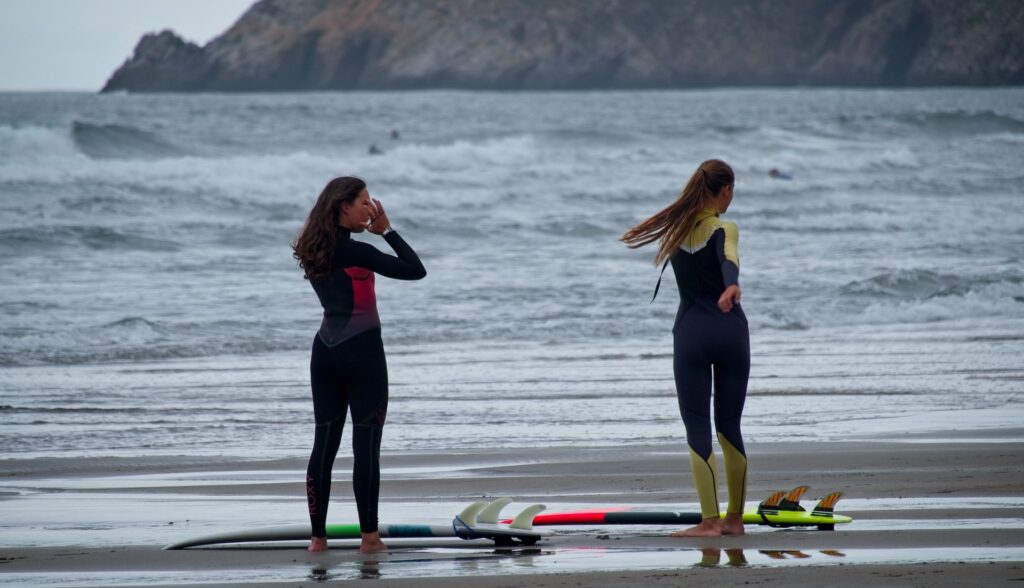
If you are going to own one wetsuit in Okinawa, this is it.
- It covers the whole cool season. One suit takes you from late November to April.
- It is a standard thickness everywhere. Shops and brands label it 3mm or 3/2. A 3/2 has 3 mm of neoprene on the body and 2 mm on the arms and legs. Either works here.
- It lasts. A wetsuit is a consumable. Mine start to wear out after about three years.
Choices that matter
- Back zip or chest zip. A back zip is easier to get on and off, which helps when you are new. A chest zip lets in less water.
- Fabric or smooth rubber on the outside. Fabric-faced suits are tougher and stretch well. Smooth rubber is warmer in the wind but tears more easily.
What you do not need
- A 4/3 or thicker. If you brought one from a cold-water coast, leave it in the closet. You will overheat.
- A hood or gloves. Not here.
- Booties for warmth. You wear booties in Okinawa for the reef, not for the cold. I explain why in What to Pack for Surfing in Okinawa.
Here are two examples of the type, from a Japanese surf brand that sells off the rack on Amazon Japan.

FELLOW men's 3mm full suit, chest zip (Amazon Japan)
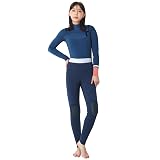
FELLOW women's 3mm full suit, chest zip (Amazon Japan)
The second piece: a wetsuit top
Once you have the full suit, a wetsuit top is the cheapest way to cover the in-between months.

FELLOW men's 2mm wetsuit top, front zip (Amazon Japan)
Getting the Size Right
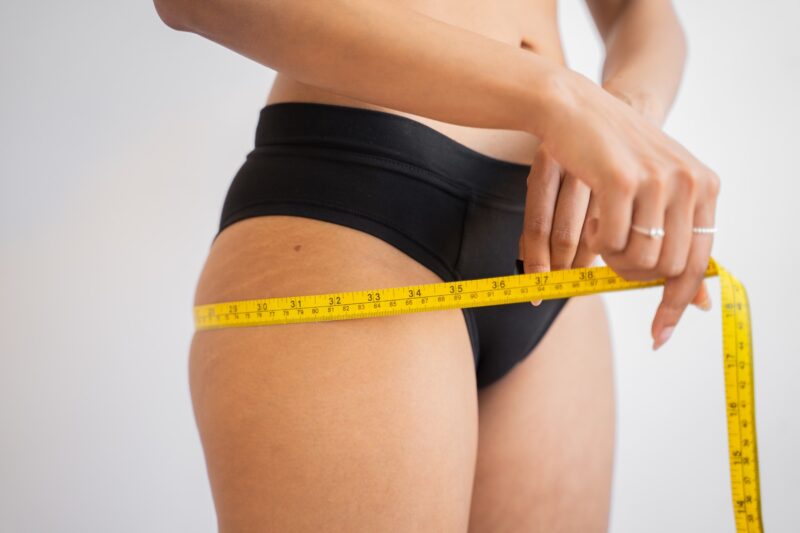
A wetsuit keeps you warm by holding a thin layer of water against your skin. That only works if it fits.
- Too loose, and cold water flushes through every time you fall.
- Too tight, and it rubs, restricts your paddling and wears you out.
A quick fit test: stand up, then squat. You should not see big folds behind your knees or under your arms. The neck should feel snug without pressing on your throat.
Japanese sizes are not US sizes
Wetsuits sold in Japan use Japanese sizes such as M, ML, L and XL, with a B added for a wider build. They are built for Japanese body shapes, and they tend to run smaller than the same letter in the US.
- Ignore the letter. Use the size chart. Every listing has one, with height, weight, chest and waist.
- The chart is in centimeters and kilograms. One inch is 2.54 cm. One pound is 0.45 kg.
If you are tall or broad-shouldered and nothing off the rack fits, you have two good options. One is a custom order, covered below. The other is a suit from a US brand such as O’Neill or Rip Curl. They are sold on Amazon Japan too, and some listings use US sizing.
Where to Buy a Wetsuit in Okinawa
Off the rack
This is the right choice for most beginners. It is the cheapest and fastest way, and if you have an average build, the fit is good enough. It also makes sense if you are not sure yet that you will keep surfing.
Custom order at a local surf shop
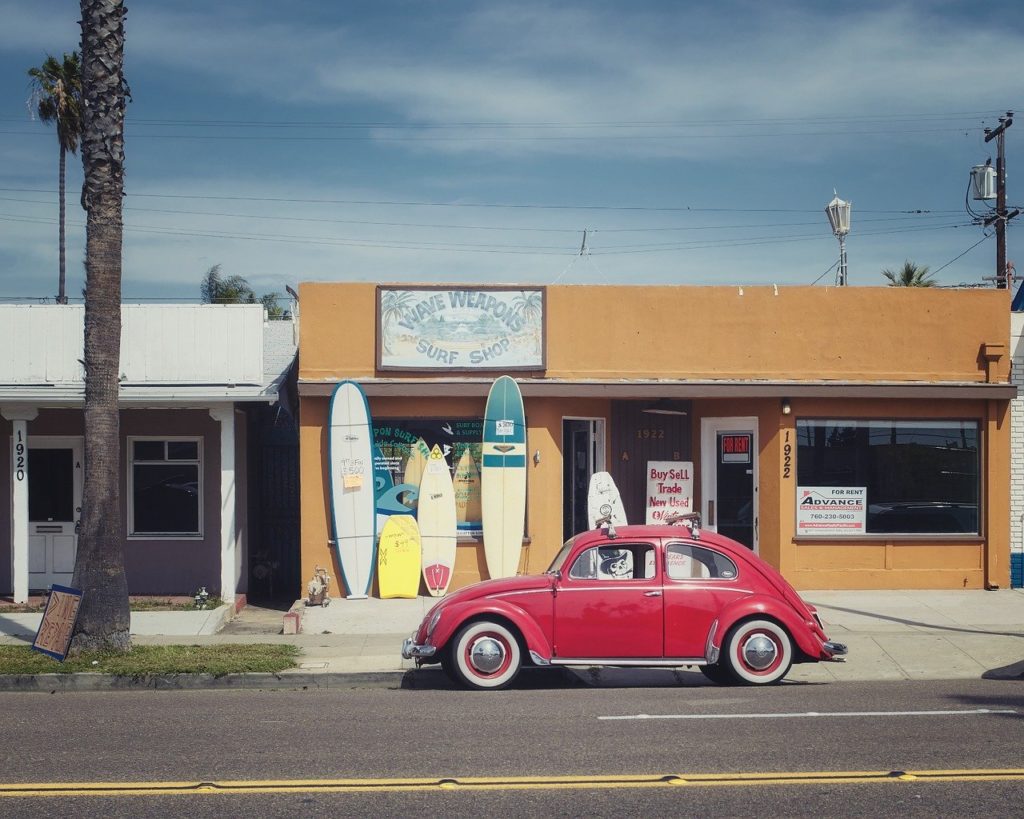
The shop measures you and the suit is made to fit. It costs the most, and you wait for it to be made, so ask the shop how long. In return you get the best fit, and for some body shapes it is the only way to get a suit that fits at all.
There is a second benefit. You become a familiar face at a local shop. That makes it easier to ask about repairs later, and you get to know people at your home spot.
Semi-custom order online
Japanese online wetsuit shops will build a suit from measurements you take yourself. It sits between the other two on price. The catch is that most of the order pages are in Japanese.
Used
I do not recommend a used wetsuit. Neoprene loses its stretch and warmth with age, and finding one that fits is hard. If your budget is very tight and you know what to look for, it can work. Otherwise buy new.
Just visiting?
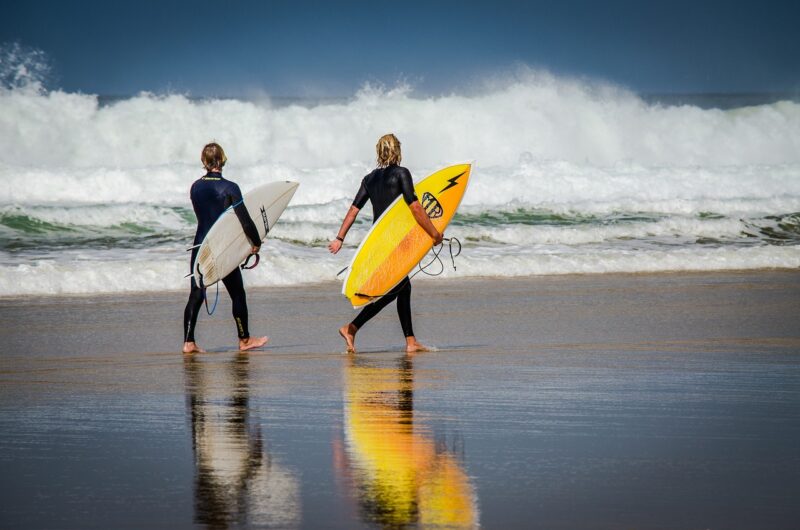
Rent. Surf shops around Sunabe Seawall in Chatan rent wetsuits, and a beginner lesson normally includes one.
Looking After Your Wetsuit
Okinawa is hard on neoprene. The sun is strong and the air is humid. A few habits make a suit last.
- Rinse it in fresh water after every session, inside and out.
- Dry it in the shade, inside out first. Direct sun is what wears neoprene out fastest.
- Do not leave it in a hot car.
- Hang it folded at the waist over a wide hanger. A wet suit hung by the shoulders stretches under its own weight.
- Let it dry completely before you put it away. In this humidity a damp suit starts to smell within days. A wash with wetsuit shampoo now and then takes care of that.

Sawafuji wetsuit hanger with wide shoulders (Amazon Japan)
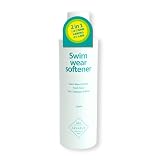
Tavarua wetsuit shampoo with softener, 250 ml (Amazon Japan)
Quick Answers
Summary
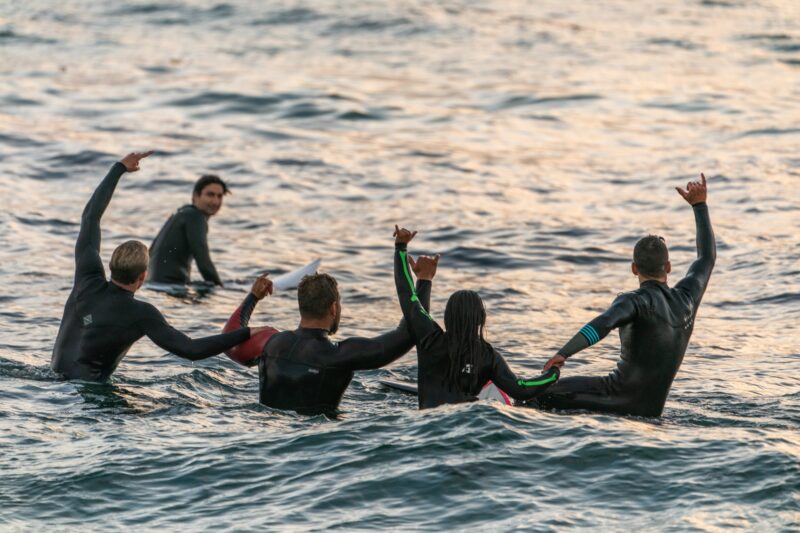
Summer is the popular season, and floating in clear blue water in boardshorts is hard to beat. But winter has more good days and fewer people in the water. It is when the west coast spots work, and if you want to improve, it is the season you cannot skip.
Buy the suit, and you will start looking forward to winter.
For spots, tides and seasons, read Surfing in Okinawa: A Local’s Guide. If you are just getting started, read How to Start Surfing in Okinawa.

コメント