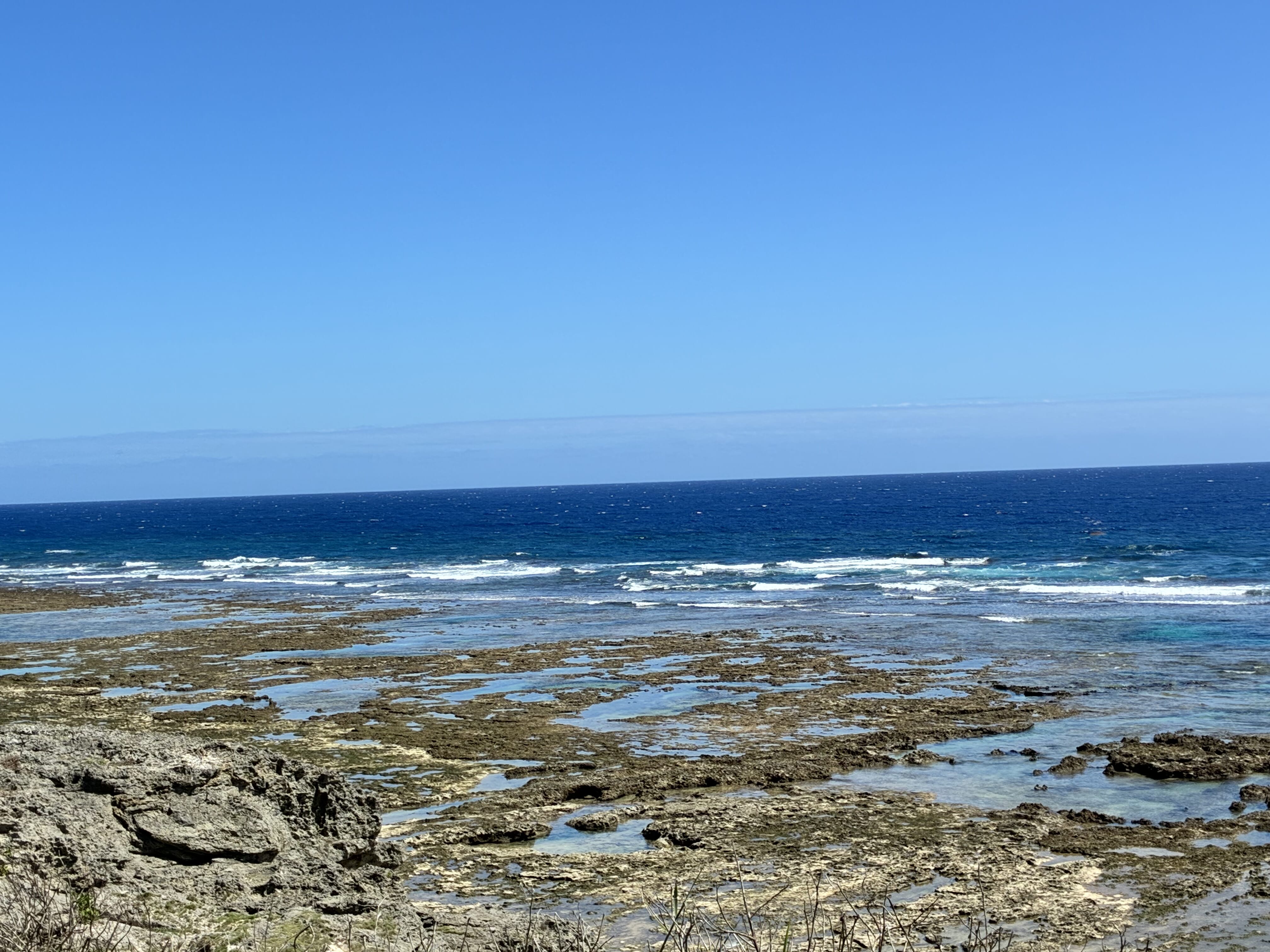
If Sunabe is where people in Okinawa learn to surf, Komesu Coast is where they go when they want waves. It is the most consistent spot on the island. There is some swell here most of the year, and on days when other spots are flat, this is often where people end up.
Surfers know it by a nickname, Suicide Cliffs. That name has a history, and I explain it below.
I live in Okinawa, and this is one of the spots I surf. Of all of them, it is the one that hurts my feet the most. This guide covers when it works, how to get in, where to park, and how to behave on a coast that means a great deal to the people who live here.
This page contains affiliate links. Buying through them supports this blog at no extra cost to you.
Komesu Coast at a Glance
About the Name
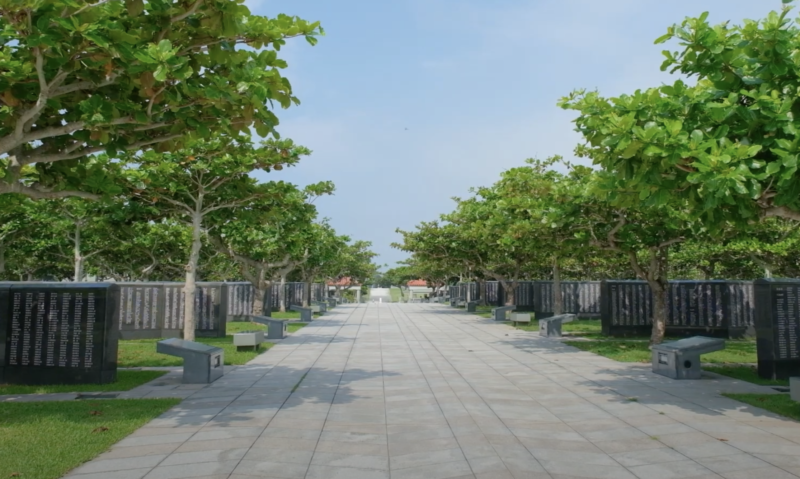
Suicide Cliffs is only a nickname that surfers have used for many years. It is not an official place name. You will not find it on Japanese maps or road signs. The area is Komesu Coast, in Itoman City.
The nickname is linked to what happened here in 1945. The southern tip of Okinawa is where the Battle of Okinawa ended. More than 200,000 people died in that battle, soldiers and civilians together, and many of them died in this southern part of the island.
- The Konpaku Memorial stands in Komesu itself. It was built in 1946, and for many years it held the remains of about 35,000 people.
- Peace Memorial Park is a short drive away. Its Cornerstone of Peace carries the names of more than 240,000 people who died, with no distinction between nationality, soldier or civilian.
- June 23 is Okinawa Memorial Day. It marks the end of the battle. Public offices and schools in the prefecture close for the day.
So this is a surf spot and a place of mourning at the same time. Families come here to pray. Please use the nickname with care, do not joke about it, and keep things quiet around the parking areas and paths.
Surfing on Memorial Day
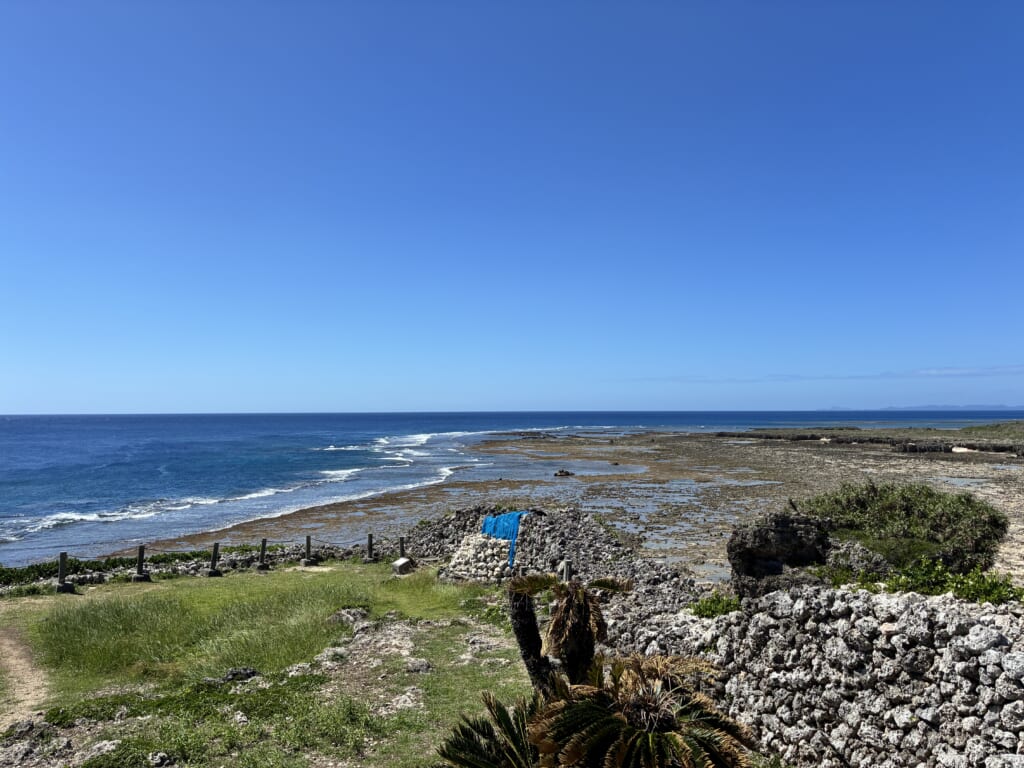
Some people here feel you should stay out of the sea on June 23, in the same way many do during Obon. Others surf as usual. There is no rule.
I have surfed near here on Memorial Day. The wind was lightly onshore, the sky was gray, and the sea felt lonely. I found myself thinking about the people who lived through that time. I am free to go surfing because of them.
If the people around you would rather you stayed out that day, respect that.
Where It Is
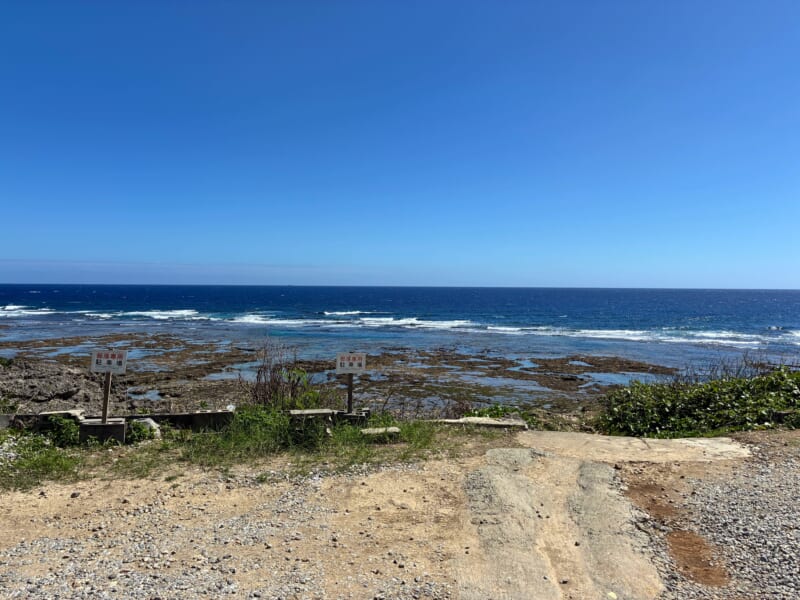
Komesu Coast is on the south coast of Itoman, near the southern tip of the main island.
- From Naha Airport it is about 30 minutes by car. That makes it the first stop for a lot of surf trips.
- From the central part of the island it is a longer drive, so check the tide and the wind before you leave. I explain how in How to Read the Surf Forecast in Okinawa.
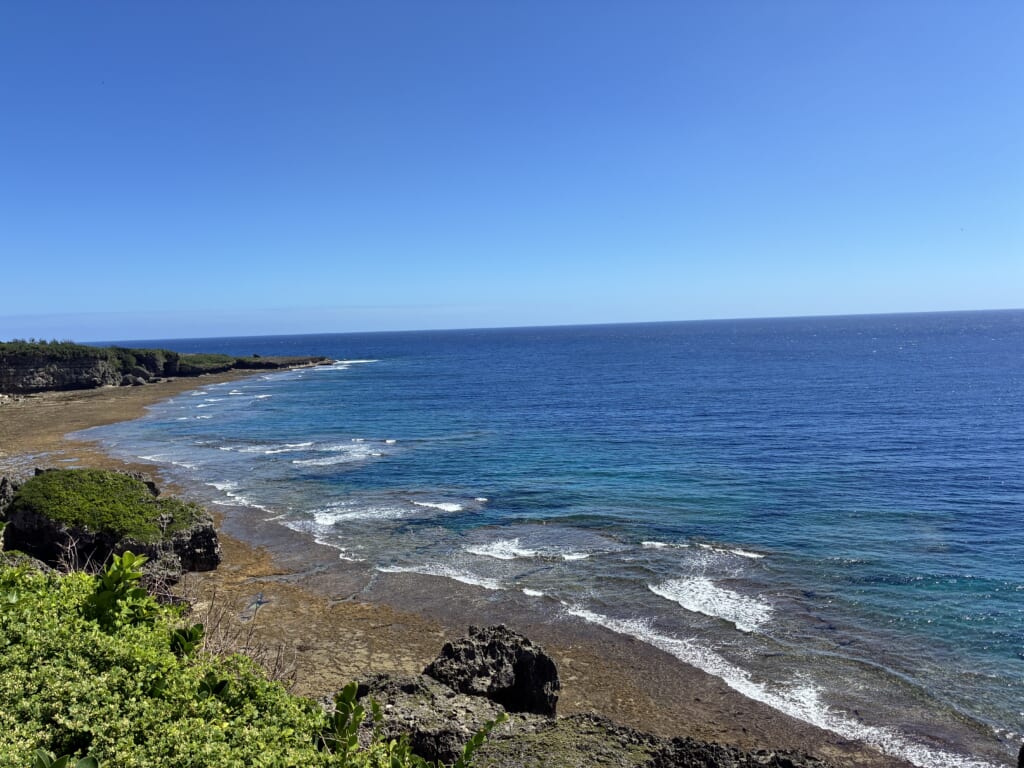
- The scenery is part of it. You surf under limestone cliffs, with nothing to the south but open ocean.
When It Works
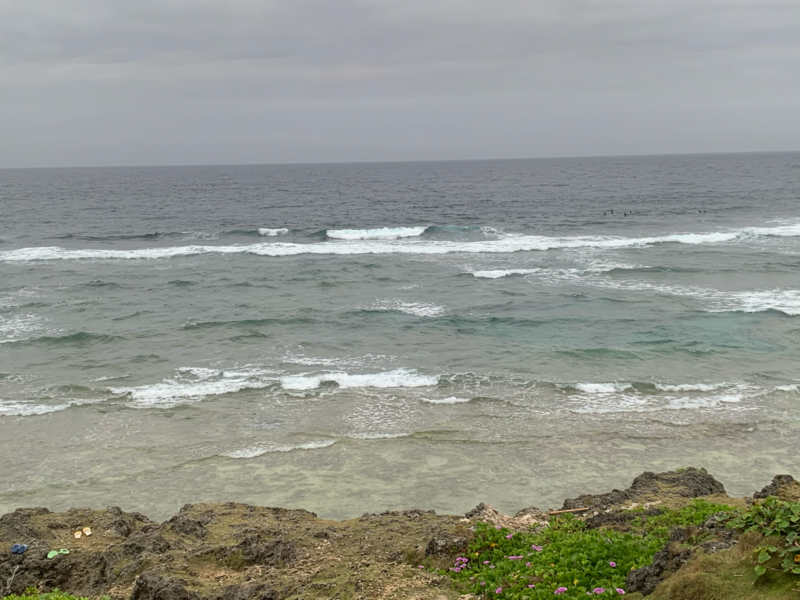
- Swell: there is something to ride here most of the year. That is the reason people come.
- Wind: the coast faces roughly south, so wind from the north blows offshore. In winter the wind in Okinawa comes mostly from the north, which helps this coast in the cooler months.
- Tide: the same rule as everywhere in Okinawa. You have about two hours either side of high tide. My rule of thumb is 120 cm or more on the Naha tide graph.
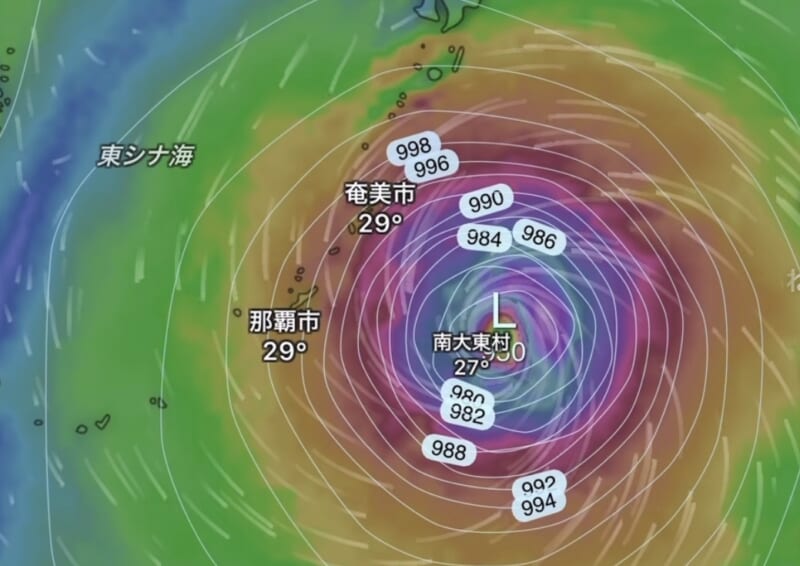
- Too big: when a typhoon or a strong low approaches, the size jumps quickly and the whole place closes out.
Getting In
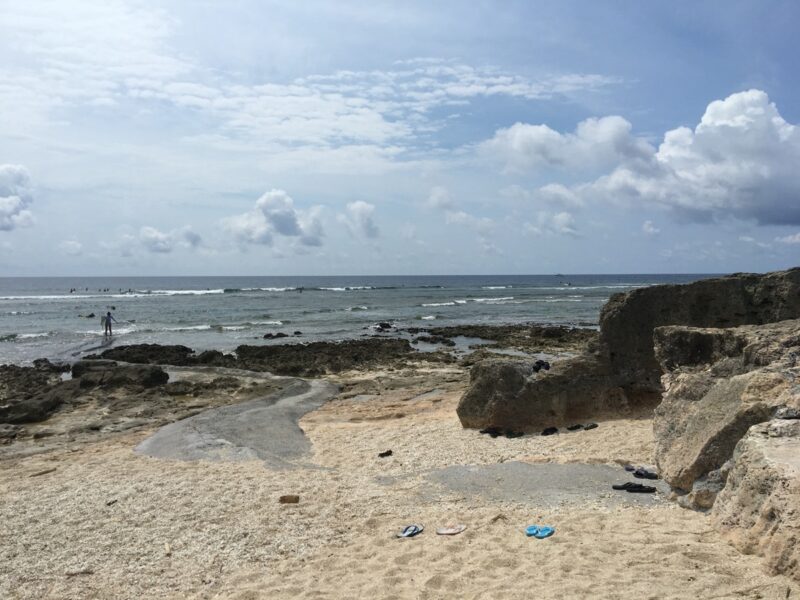
Getting into the water here is not hard. The reef is the problem.
- The reef is sharp and jagged. Wear reef booties. For beginners they are close to essential, and I wear them here myself.
- Peaks are spread along the whole coast. You are not limited to one take-off spot, so if one peak is packed, look for a quieter one.
- Watch before you paddle out. Give it ten minutes. See where people get in, where they sit and where they come back to shore.

Reef Tourer marine shoes with toe guard (Amazon Japan)

Currents
On big tides the water moves fast along this reef. During Obon in 2021 I surfed here with a typhoon approaching. Every time I stopped paddling I drifted a long way, and I was out of the water in under an hour.
If you find yourself working hard just to stay in position, that is your sign to go in.
The Crowd
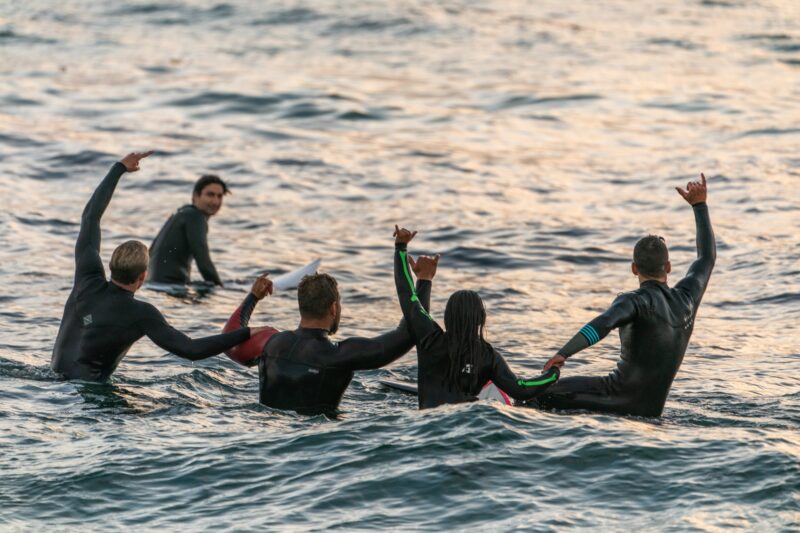
Komesu is a famous spot, and it is the closest major break to Naha. On a weekend with good waves there are, as I like to say, more people than fish.
- Most people in the water are experienced.
- Take turns and do not drop in. I wrote the rules out in full in Okinawa Surf Etiquette.
- Say hello. It makes a difference here as much as anywhere.
Is it a beginner spot? No. If you are still learning to catch waves, go to the corner at Sunabe first. I explain why in my Sunabe Seawall Surf Guide.
Parking and What to Bring
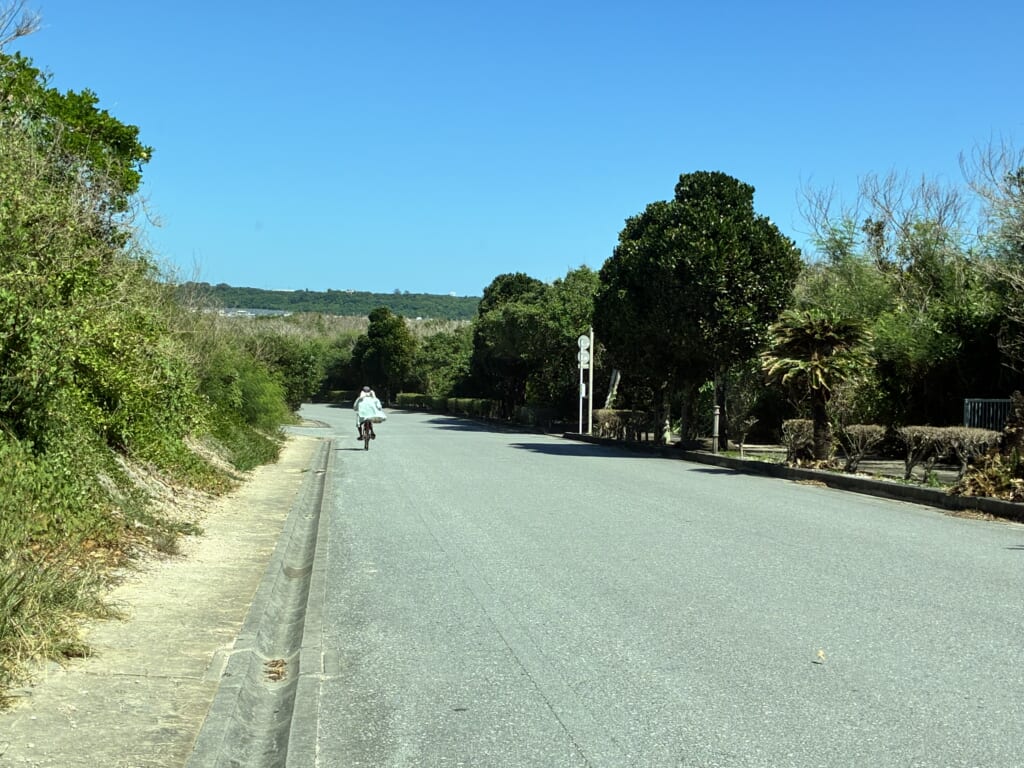
There are spaces to park along the coast road.
- Park neatly and leave room for others.
- Keep the noise down. No loud music, especially near the memorials.
- Plan on having no shower and no changing room. Bring fresh water to rinse off, and a poncho or a large towel to change under.
- Do not hide your key on the car. A small combination lockbox is the method I trust.

Sanwa Direct 4-digit combination key lockbox (Amazon Japan)
When Not to Surf Here
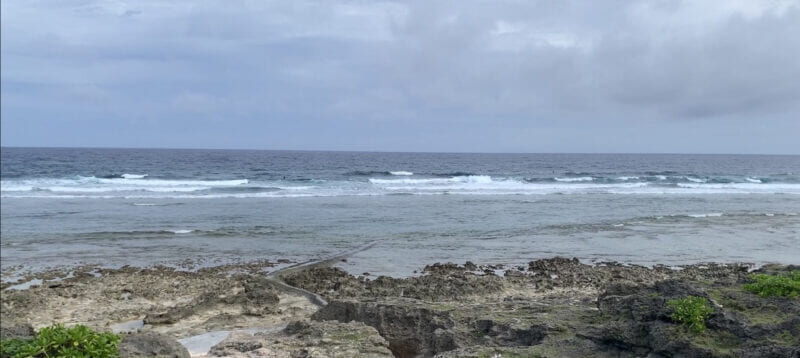
- When a typhoon is approaching. It gets too big, too fast. I cover those days in Typhoon Swell in Okinawa.
- At low tide. The reef is too shallow.
- During Obon, the three days in late summer when many locals stay out of the sea.
- If you are a beginner. Come and watch, and surf Sunabe instead.
Summary
Komesu gives you waves when nowhere else does. It asks for good booties, good manners and some respect for where you are. Bring all three.
For the other main spots, see Surfing in Okinawa: A Local’s Guide. For reef cuts and currents, see Okinawa Surf Hazards.

コメント